Morel Mushroom Season – Where to Look and How to Cook

Shanthi Appelo, MS, RD
| 3 min read
Key Takeaways
- Morels are a coveted seasonal mushroom, prized by both foragers and culinary enthusiasts for their distinctive honeycomb texture.
- Their porous caps readily absorb sauces and seasonings, enhancing flavor and making them a versatile ingredient in gourmet dishes.
- Because of their limited availability and unique culinary qualities, morels remain a sought‑after specialty in high‑end cooking.
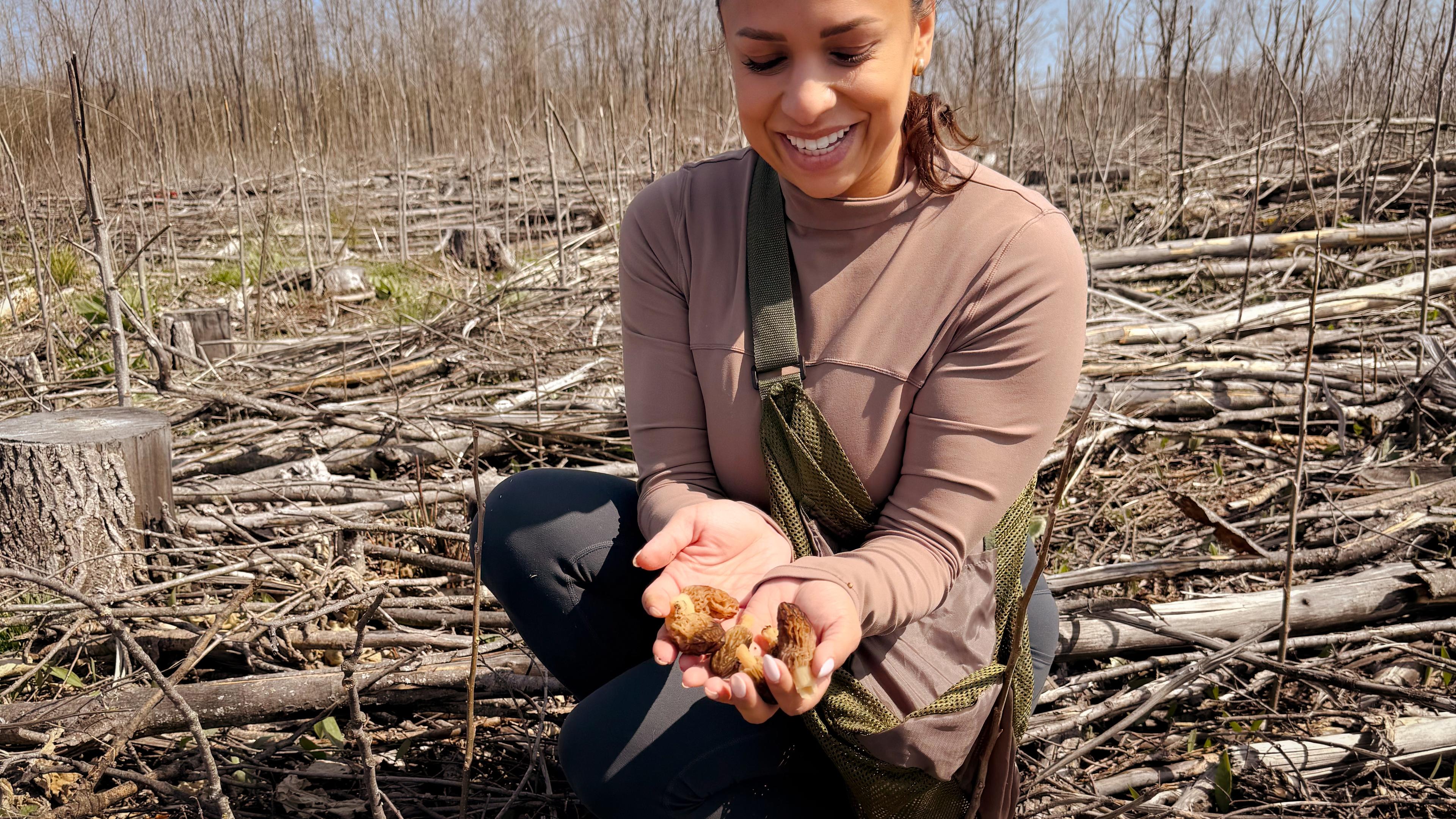
Every spring for a brief window, nature offers one of its most sought-after delicacies: morel mushrooms. For foragers and foodies alike, morels are a seasonal prize worth the hunt. Their honeycomb texture also helps them absorb sauces and seasonings making them a favorite in gourmet cooking.
Despite their rich taste, morels are surprisingly light and healthy. Like other mushrooms, they’re low in calories and fat. They contain small amounts of plant-based protein and are rich in antioxidants. They’re rich in vitamin D, especially when sun exposed. Rich in micronutrients like iron, copper, potassium and B vitamins, they help support overall health.
When and where to find morels
Timing and conditions are everything when it comes to morel hunting. They typically appear after warm spring rains, when:
- Daytime temperatures reach the 60s°F to 70s°F
- Soil temperatures hover around 50°F to 60°F
It’s a good idea to follow the sun. South-facing slopes warm up first, making them ideal early-season spots. West-facing slopes tend to produce next, followed by north-facing slopes as they stay cooler and can extend the season later into spring.
It’s also a good idea to look near the right trees and terrain:
- Dead or dying elm trees (top hotspot)
- Ash trees
- Old apple orchards
- Burn areas (especially the year after a wildfire)
- Forest edges, river bottoms and floodplains
- Disturbed ground like logging areas and trails
Morels thrive in moist — but not soggy — soil, often hidden under leaf litter with dappled sunlight above.
Make sure to scan slowly, then pause. Morels have a way of “appearing” once your eyes adjust to their camouflage.
True vs. false morels
Not all morels are safe to eat, so identification is critical. True morels have honeycomb or pitted caps and are completely hollow inside. False morels can be toxic. They have wrinkled or brain-like caps and may be solid or partially filled. Only eat wild mushrooms if you are 100% certain of identification.
Cleaning and storing the harvest
Trim morels as you harvest, then rinse under cool water. Some foragers soak morels briefly in saltwater to remove insects. Keep them in a paper bag in the refrigerator and use within a few days for best quality.
Morels should be cooked. If you’re looking for a way to highlight the seasonal delicacy, it’s a good idea to keep it simple by sautéing and adding to pastas and serving with seasonal vegetables. Try this recipe:
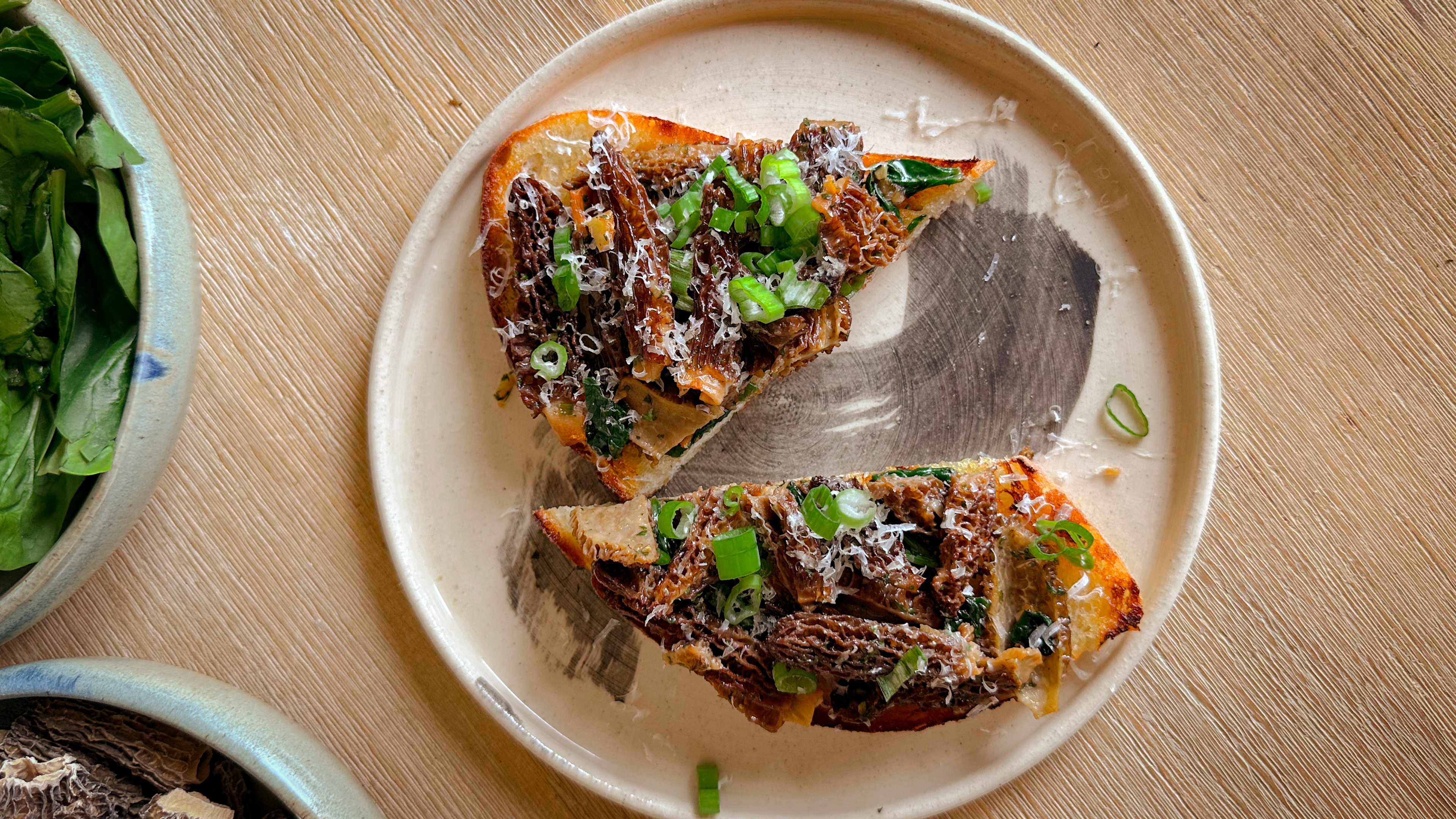
There’s something special about letting a great ingredient speak for itself — and morels do just that. This simple morel toast recipe is all about enhancing what’s already there: fragrant garlic thyme and a quick sauté that brings out the mushrooms’ rich, nutty character.
Served over crisp, warm toast and finished with a sprinkle of parmesan and fresh herbs, it’s an easy dish that feels both rustic and refined.