Are Sardines Healthy?

Lindsay Knake
| 3 min read
Key Takeaways
- Sardines are a healthy food option due to their high protein content, omega-3 fatty acids and other vitamins and minerals.
- Sardines are low in mercury and can be safely consumed by pregnant and nursing women, making them a good alternative to other fish.
- While sardines can be high in sodium when canned and salted, they can also be a good source of calcium, vitamin D and other nutrients when consumed in moderation.
Sardines are having a moment on social media.
Influencers are touting their health benefits for skin, metabolism and the brain. In some extreme cases, influencers are eating sardines for a week or three for the apparent health benefits.
Let’s take a look at sardines, their potential health benefits and ways to incorporate them into your diet.
Are sardines healthy?
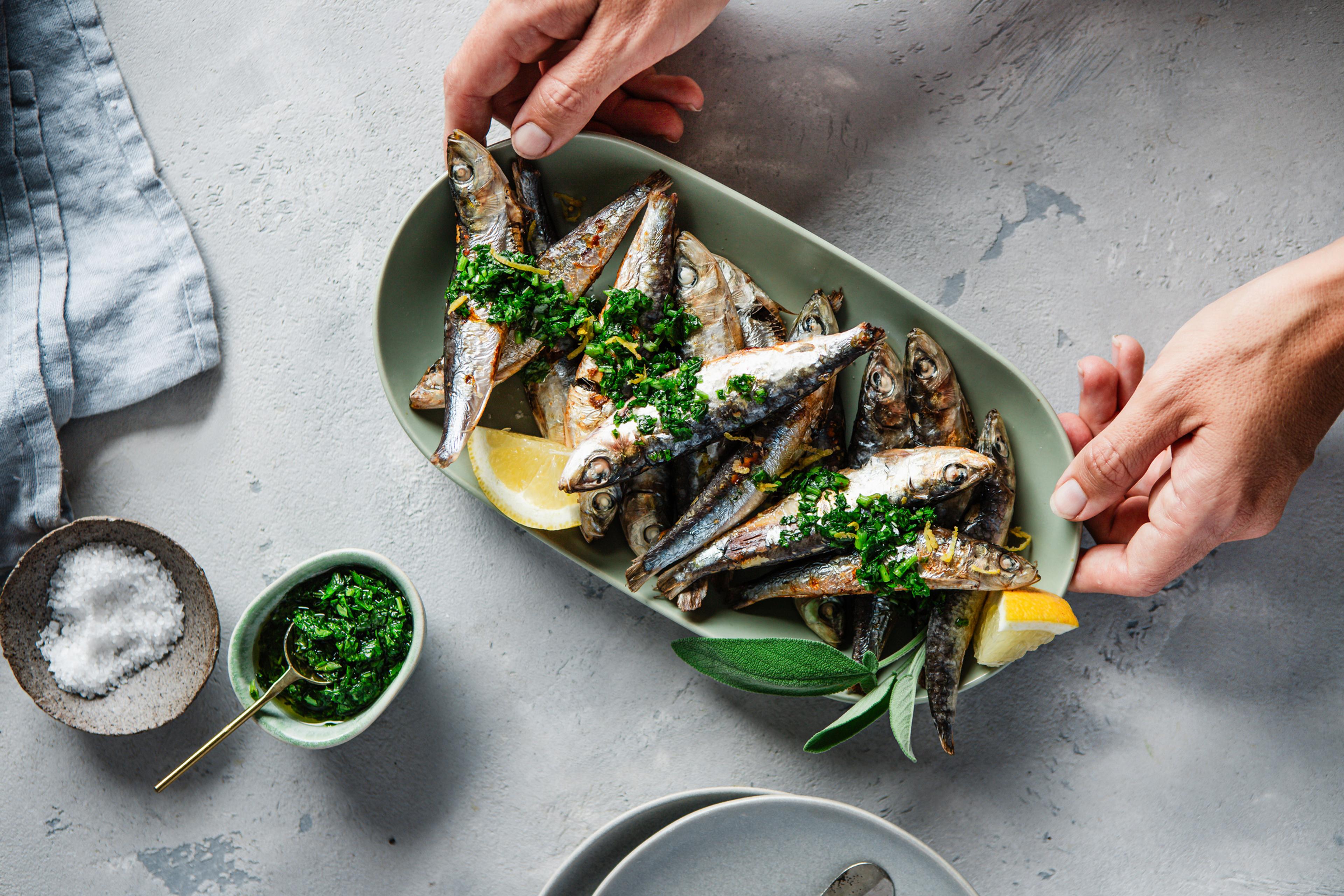
Sardines are a small, flaky fish often cooked and canned in water, oil or tomato juice. They are an inexpensive fish that’s readily available, versatile and long-lasting. You can eat sardines right out of the can or add them to dishes such as pasta. While sardines may not be to everyone’s taste because of their fishy flavor, they are full of protein, healthy fats and other vitamins and minerals.
Because sardines are small and low on the food chain, they are very low in mercury levels, making them safe for pregnant and nursing women.
Sardines are high in omega-3 fatty acids; A 3-ounce serving of sardines can have more than 1,000 milligrams of omega-3s, according to Harvard Health. Omega-3s can improve heart health, reduce inflammation and support immune function.
This healthy fat helps reduce triglycerides, increase HDL or “good” cholesterol and slow plaque buildup to reduce the risk of heart attack and stroke, per Harvard Health. The American Heart Association recommends eating two 3-ounce servings of fatty fish such as sardines each week.
Omega-3s can help preserve collagen in your skin, which is important for skin health, per the Cleveland Clinic.
Sardines are also good sources of macro- and micronutrients. In small fish like sardines, you often eat the bones, and those provide additional nutrients.
One tin, or about a ½ cup, of sardines can have:
- 22 grams of protein
- 15% to 45% of the daily value of vitamin D
- 26% to 35% of the daily value of calcium
- 350% of the daily value of vitamin B-12
- 88% to 96% of the daily value of selenium
Sardines packed in extra virgin olive oil can increase the heart healthy benefits.
What to watch for in canned sardines
Canned and salted sardines can be higher in sodium; one can may have 340 to 480 mg depending on the brand. Check the label for the sodium content; those who need to eat less sodium should look for low-sodium options, including sardines without or with less salt, or limit canned sardines.
As far as extreme diets involving sardines, it’s best to skip those. It’s not healthy to limit your diet to only one or two foods.
It’s healthiest to eat a balanced diet full of fruits, vegetables, greens, other lean protein and whole grains. Only about 10% of Americans eat enough fruits and vegetables, according to the U.S. Centers for Disease Control and Prevention CDC, while most get more than enough protein.
Adding sardines to your diet a few times a week is a great way to get in omega-3s and other nutrients. Eating them with whole grain crackers, lemon and pickled vegetables can be a good snack or lunch. You could also add them to avocado toast, scrambled eggs, a rice bowl or pasta dish.
Image: Getty Images
Related: