The Hidden Costs of Convenience: Ultra-processed Meats and Colorectal Cancer

Shanthi Appelo, MS, RD
| 4 min read
Key Takeaways
- Certain convenient foods like ready-to-eat meals and packaged snacks carry an increased risk of colorectal cancer.
- Group 1 carcinogens are defined as having sufficient evidence that their exposure causes cancer in humans. This group contains certain processed meats.
- One study found that eating daily amounts of processed meat as small as 50 grams can increase the relative risk of colorectal cancer by roughly 18%.
- Choosing fresh food over packaged food, exploring plant-based proteins and eating more vegetables and whole grains are ways to reduce ultra-processed food intake.
Convenience is king in the modern food landscape. Though recent nutrition trends indicate an emphasis on healthy eating from consumers, ready-to-eat meals, packaged snacks and pre-sliced deli meats aren’t going anywhere – they still line supermarket aisles, promising speed and ease.
But convenient foods and healthy foods aren’t always one in the same. In the case of the previously mentioned ultra-processed foods, some convenient meals can increase the risk of certain cancers, including colorectal cancer.
What it means to be a group 1 carcinogen
Through its International Agency for Research on Cancer (IARC), The World Health Organization (WHO) has evaluated the carcinogenic potential of many substances, including foods. In this system, Group 1 carcinogens are defined as having sufficient evidence that their exposure causes cancer in humans. This group contains expected hazards like tobacco smoke and asbestos, but also includes these processed meats:
- hot dogs
- bacon
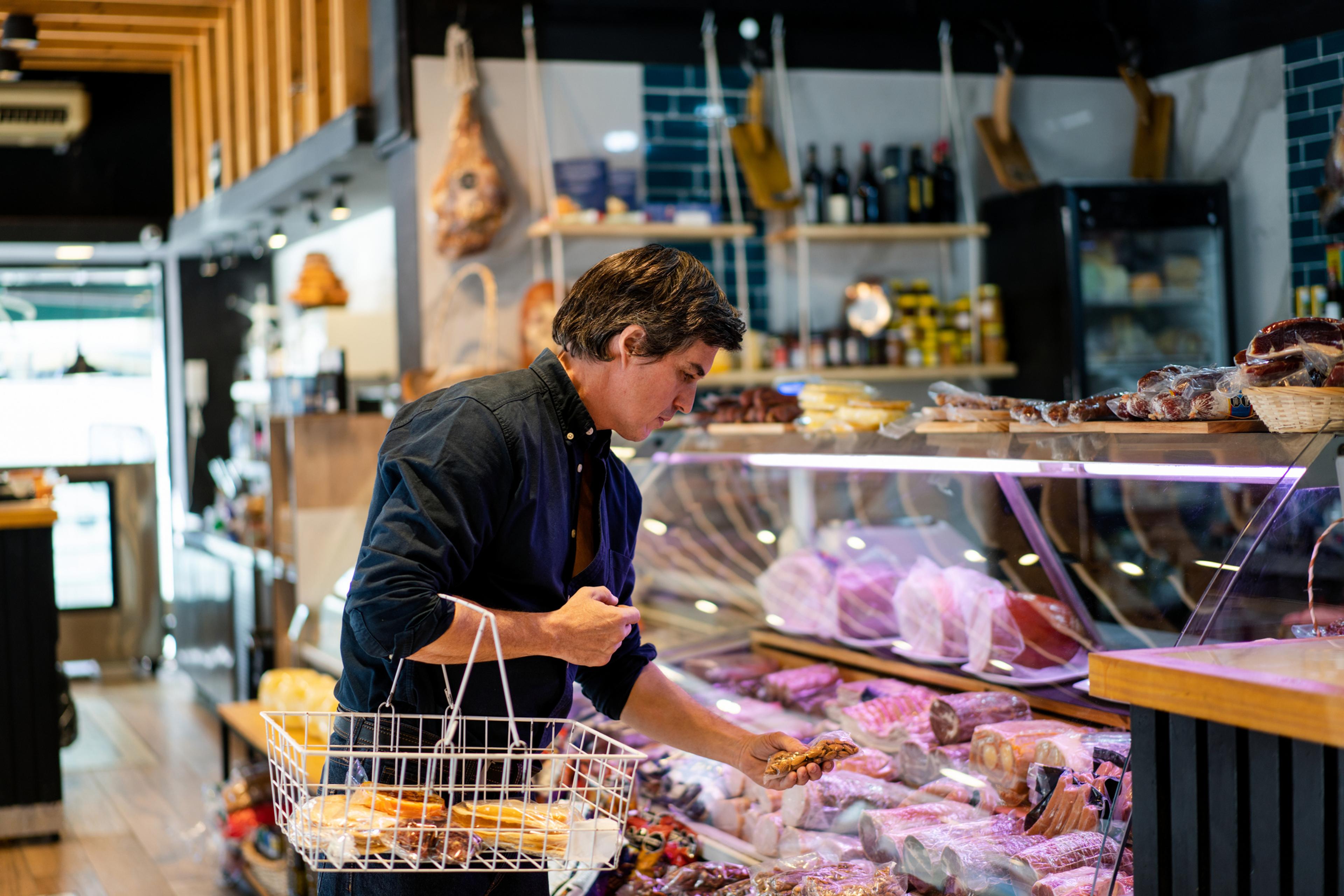
- deli meats
- sausages
The Group 1 classification means experts are confident these foods are linked to cancer. It doesn’t mean they are inherently as harmful as cigarettes, but evidence supporting their carcinogenicity is strong and consistent.
The Group 1 label also does not quantify how dangerous a substance is. Instead, it reflects the strength of the evidence. For example, tobacco use massively increases lung cancer risk, while processed meats modestly increase colorectal cancer risk. Both are backed by enough research to make the list.
Ultra-processed meat vs. red meat: understanding the difference
Distinguishing between ultra-processed meats and unprocessed red meats is important. Ultra-processed meats are foods that have been significantly altered through curing, smoking, salting, fermentation or the addition of preservatives and flavor enhancers. They are designed for convenience and flavor and are often nutritionally flawed.
In contrast, the IARC classifies red meat – such as beef, pork and lamb – as a Group 2A carcinogen and states that it is “probably carcinogenic to humans.” Group 2A carcinogens receive this label because evidence linking them to cancer is suggestive, but not as conclusive as processed meats. This doesn’t mean red meat is harmless, but the strength of evidence are lower than for ultra-processed meats.
What the research says about colorectal cancer risk
The link between processed meats and colorectal cancer has been repeatedly connected in large studies. The IARC’s review of hundreds of studies found that even daily amounts of processed meat as small as 50 grams can increase the relative risk of colorectal cancer by roughly 18%.
An 18% relative increase doesn’t mean nearly one-fifth of people will get cancer simply because they eat processed meat. Instead, it means that compared to someone who eats little or no processed meat, a daily consumer has an 18% higher relative chance of developing colorectal cancer in their lifetime.
Colorectal cancer is one of the most common cancers worldwide, and diet plays a significant role in its risk profile. High intake of processed and ultra-processed meats, low fiber consumption and diets rich in sugary beverages and refined foods are other key factors linked to the disease.
Research also suggests that ultra-processed foods disrupt the gut microbiome and drive inflammation, another contributing factor to cancer risk. A recent study found that high consumption of ultra-processed foods was linked to a significantly higher risk of developing colon polyps, which are precursors to colorectal cancer, particularly among younger adults.
Practical tips to cut back on processed, ultra-processed meats
Reducing intake of ultra-processed meats doesn’t mean removing meat entirely from one’s diet. Focusing on whole, minimally processed foods can help shift eating patterns in a healthier direction. Some practical strategies include:
Choosing fresh over packaged: Swap pre-packaged deli meats and sausages for grilled or roasted meats prepared at home.
Exploring plant-based proteins: Beans, lentils, tofu, tempeh and quinoa are nutrient-rich alternatives that provide protein without the added preservatives found in processed meats.
Boosting vegetable and whole grain intake: Increasing fiber intake through leafy greens, cruciferous veggies, whole grains and legumes supports gut health and may help reduce cancer risk.
Cooking more at home: Preparing meals at home – including high-end frozen meals – offers control over ingredients and cooking methods, reducing reliance on ultra-processed foods.
Understanding the difference between processed and unprocessed meats and making meaningful changes to dietary habits can help reduce long-term cancer risk.
It’s also important to understand that diet isn’t the only cancer-causing risk factor; genetics, lifestyle, physical activity and overall diet play major roles. But since diet is modifiable, it’s often considered a key target for prevention.
Shanthi Appelö is a registered dietitian and health and wellness spokesperson at Blue Cross Blue Shield of Michigan. For more health tips and information, visit AHealthierMichigan.org.