What is the GERD Diet?

Lindsay Knake
| 3 min read
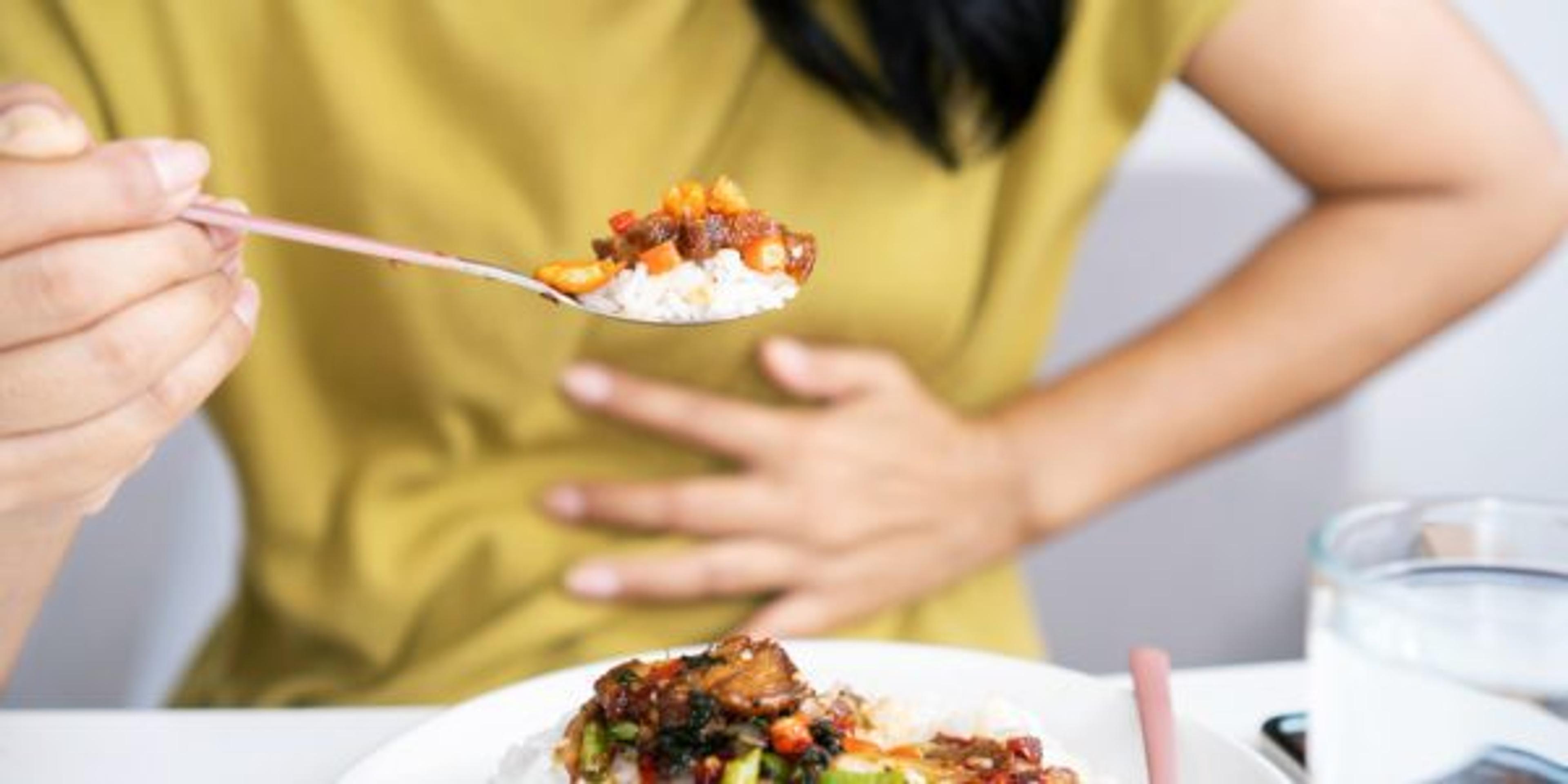
Many people have experienced the uncomfortable pangs of heartburn at one time or another.
Typically, heartburn isn't a sign of a serious medical condition. But when heartburn is frequent and disrupts your life, if can be a sign of gastroesophageal reflux disease (GERD).
This disease affects about 20% of adults in the United States, according to Johns Hopkins Medicine. While it can have many causes and triggers, food is a common one. Here are some things to know about the GERD diet, which can help you manage this disease.
What is GERD?
GERD occurs when the tube that moves food from the esophagus into the stomach does not close properly to keep all the digesting food in the stomach, according to Johns Hopkins Medicine. Instead, this muscular esophageal sphincter relaxes, letting partially digested food and stomach acid push up into the esophagus.
This type of involuntary acid reflux becomes GERD when there are severe, frequent feelings of heartburn and internal injury. Repeated bouts of reflux can cause damage to the esophagus or even a person’s respiratory tract.
Common symptoms of GERD, according to Harvard Health, include:
- Heartburn, a burning sensation in the chest or esophagus
- Sour liquid that is regurgitated into the mouth or throat
- Nausea
- Shortness of breath
- Difficulty swallowing
- Sore throat
- Frequent coughing or throat clearing
If you experience these symptoms twice a week or more, talk to your primary care provider (PCP) about treatment for GERD, including diet. Your PCP may refer you to a gastroenterologist, a physician who specializes in digestive conditions.
The GERD diet
For people with GERD, what they eat can affect their acid reflux issues. Some foods are triggers and can cause reflux symptoms to kick in or worsen. Other foods tamp down on the signs of GERD and allow digestion to work.
The GERD diet is one way to help manage food triggers and help you get the nutrients you need. It's about avoiding triggers and eating vegetables, fruits, whole grains and protein that don't cause symptoms.
Trigger foods can include those that are spicy, greasy, high in fat, or that are acidic. Some examples, per Johns Hopkins, include:
- Pizza
- Fried and fast foods
- Potato chips and processed snack foods
- Cheese
- Tomato-based sauces
- Citrus fruits
- Carbonated beverages
- Coffee
- Alcohol
On the other hand, foods that may help prevent GERD include:
- Whole grains such as oatmeal, brown rice and couscous
- Green vegetables such as asparagus, green beans and broccoli
- Root vegetables such as potatoes, beets and carrots
- Fruits such as bananas and melon
- Nuts
- Watery vegetables such as watermelon and celery
Each person’s tolerance for certain foods is different. To help pinpoint which foods sit the best with you, try keeping a food journal. List the foods you eat at each meal or snack, then note when you’ve had a strong reflux reaction. This can help you notice the patterns, and you can work with your PCP or gastroenterologist to create a plan that works for you.
Lifestyle tips to combat GERD
Some lifestyle changes also can help manage GERD. These include:
- Eat slowly.
- Eat smaller, more frequent meals instead of three large meals each day.
- Sit upright for about three or more hours after eating or before bed.
- Don't exercise for two or more hours after eating.
- Keep the head of your bed raised 6 inches or use two pillows to keep your head and shoulders higher while you sleep.
Photo credit: Getty Images
Related: