Is Valentine’s Day Good for Our Mental Health?
A Healthier Michigan
| 4 min read
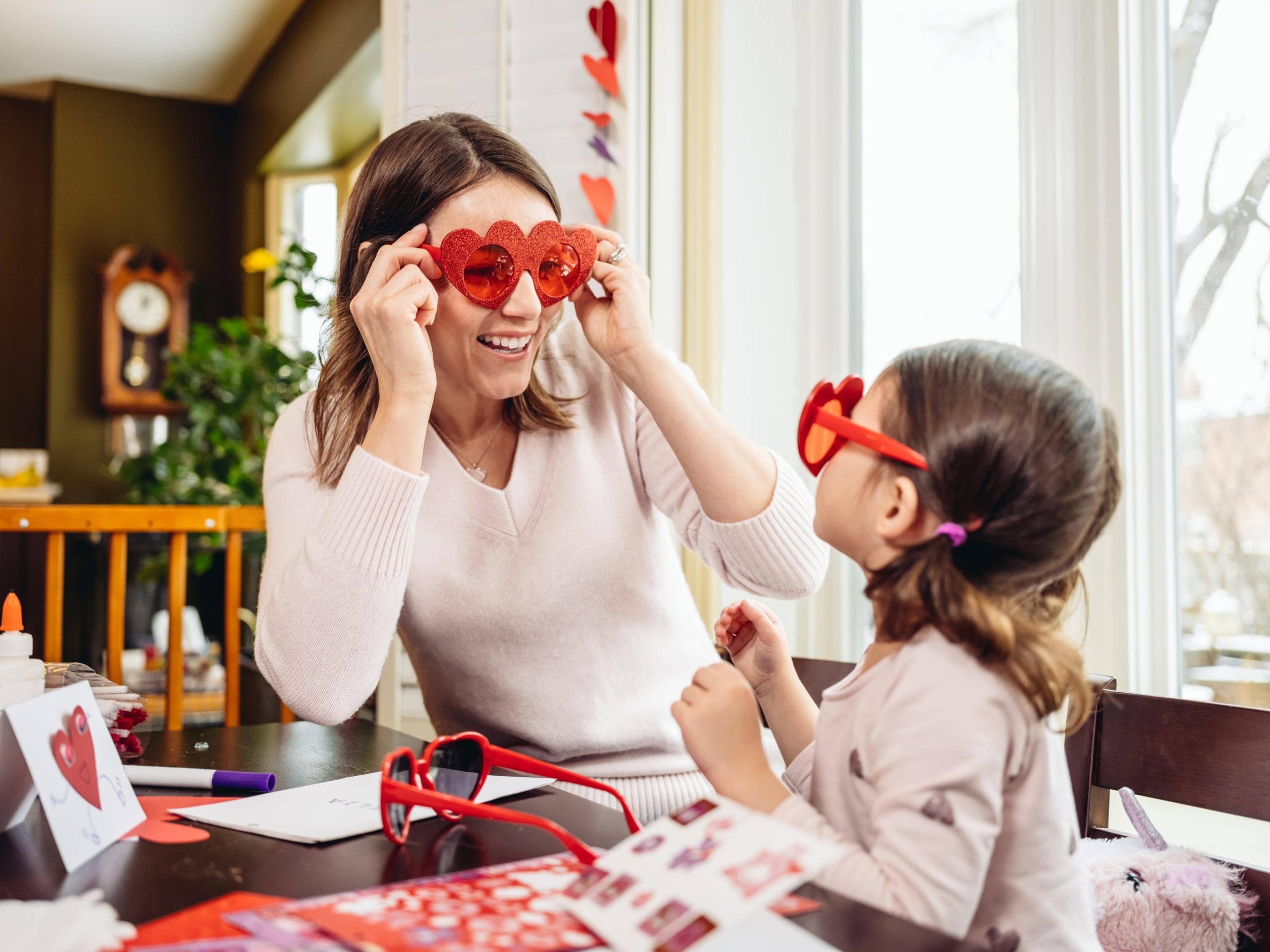
When many of us think about Valentine’s Day we think of sweethearts exchanging traditional gifts like flowers, candies and cards. Date nights get penciled in, and reservations are made for special restaurant dinners or romantic getaways.
Some people look forward to Valentine's Day and the opportunity to celebrate and show love for their significant other. But others may dread the day, as it can invoke bad memories or heighten feelings of loneliness.
Let's take a look at both the positive and negative mental health components of Valentine's Day as it gets closer on the calendar.
What are the mental health benefits of Valentine's Day?
Research tells us that positive relationships make us feel better. For couples, Valentine's Day can represent a time to pause and reconnect. Life is busy and relationships can get stuck on autopilot, so a designated day to say “Hey, you matter to me” can have tangible benefits on our mind.
Feeling loved and appreciated can lower one's risk of serious health problems, including high blood pressure, depression and being overweight, according to the Mayo Clinic. The mental health benefits of having people in your life you can talk to also include:
- Increasing sense of belonging and purpose.
- Boosting happiness.
- Reducing stress.
- Improving self-confidence and self-worth.
- Helping cope with traumas, such as divorce, serious illness, job loss or the death of a loved one.
- Encouraging change or the avoidance of unhealthy lifestyle habits, such as excessive drinking or lack of exercise.
What are the possible negative mental health effects of Valentine's Day?
Valentine's Day can be a miserable day for some. It can tap into the human desire for connection, validation and belonging. When a holiday puts a spotlight on them, whatever we’re already feeling tends to get louder.
Here are some examples of the other side of the heart-shaped coin:
Valentine’s Day can amplify feelings of loneliness, grief, or inadequacy: especially for people who are single, recently broken up, or going through relationship struggles. When society seems obsessed with couples and grand gestures, it’s easy to internalize the idea that being alone means being unwanted, which isn't true.
Social media can create unrealistic expectations and increase feelings of insecurity: Scrolling past curated photos of roses, surprise vacations and heartfelt captions can trigger comparison spirals. Even people in happy relationships can feel pressure and ask themselves, "Are we doing enough? Is our love exciting enough? Why didn’t my partner plan something like that?" Social media can influence us to think negatively about what we have planned for Valentine's Day, even if we were excited about said plans.
Financial and emotional pressures can win out: Valentine's Day can be stressful even for those in romantic relationships. There can be an inherent pressure to make the day “perfect.” Expensive dinners, gifts and big gestures can cause stress, especially if expectations aren’t clearly communicated. When Valentine’s Day becomes a test of love rather than a celebration of it, our mental health may suffer.
How to practice self-love this Valentine's Day
Whether you have a significant other in your life or not, your relationship with yourself can be celebrated on Valentine's Day by practicing self-love and self-care.
Do something you love: You can always sit the holiday out and participate in activities that make you happy this Feb. 14. Are you an animal lover? Volunteer at a shelter. Art admirer? Visit a museum. Love yoga? Sign up for a class. Sometimes it's as simple as doing the things you love to reduce negative feelings associated with a certain day.
Get moving: Some of us receive a rush of endorphins when physically moving. This can look like dancing, running or other forms of moderate-to-vigorous exercise.
Put it in pen: Affirmations, journaling and drawing help to improve emotional clarity and strengthen the bond with our own feelings and thoughts, according to Mental Health America.
Practice self care: Ask yourself what your body and mind need to feel loved and try to make it happen. This can include anything from cooking your favorite meal for yourself to getting a sweet treat to taking an extra long shower with your favorite soaps and moisturizers.
More from AHM:
Photo credit: Getty Images