How Daylight Saving Time Can Affect Your Body
A Healthier Michigan
| 3 min read
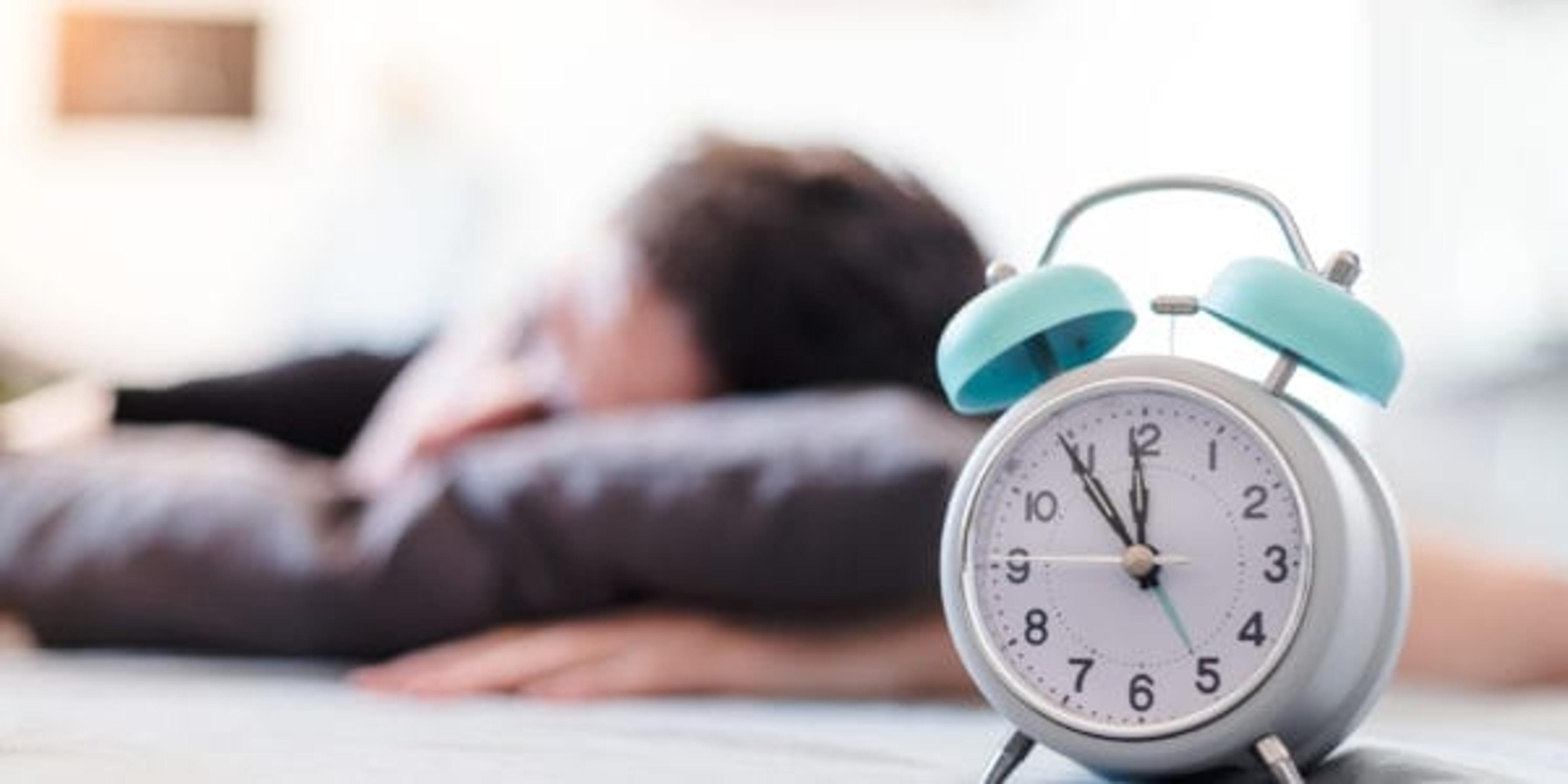
Even though we all know it happens each spring, somehow the shift that comes with Daylight Saving Time (DST) can sneak up on us. This year, DST starts at 2 a.m. Sunday, March 8 and ends at 2 a.m. Sunday, Nov. 1.
In the spring every year we lose an hour of sleep from Saturday to Sunday. But on the bright side (literally), the sun sets later in the day when we "spring ahead," giving us more late afternoon sunshine than in the winter.
DST has been mandated by the government for 60 years. It was designed to give everyone a little more daylight into the evenings during the warmer months of the year by setting the clocks ahead one hour each spring. But this seasonal see-saw can also affect our bodies. For some people, these effects may include serious health problems. For others, it can have a lingering effect on their mental health.
How Daylight Saving Time can affect your health
The quality of your sleep might be the most noticeable issue during a DST transition period. Research has shown that annual time changes can affect some people’s circadian rhythm – the internal 24-hour clock guiding your sleep and wake cycles. Just a one-hour shift in that cycle can have people feeling the effects for up to a week, according to Harvard Heath.
Despite the promise of an extra hour of sleep in the fall, most people don’t really take advantage of that. During the days following a DST shift, some people have trouble falling asleep at their regular time, and others wake up during the night. Interrupted sleep can leave you feeling groggy and irritable.
More concerning than the patchwork shut eye are the serious health issues that DST can cause in some people. When we lose an hour each spring, there is a rise in heart attacks the following Monday, according to hospital admissions in Michigan. The reason for this isn't known, but it could be related to sleep disruption. Heart attacks already tend to occur on Monday more than any other day of the week, according to the American Heart Association.
The longer-term effects of DST haven't been well studied. The American Academy of Sleep Medicine has found DST isn't aligned as well with average human circadian rhythms as standard time. This could lead to poor sleep, which is associated with increased risk of heart disease
Those with Seasonal Affective Disorder, whose mental health can be linked to the changes in the season, might find the fall time change sparks feelings of sadness or depression when it starts getting dark earlier. Recognizing these symptoms and talking to your health care provider about them is an important step toward feeling better.
How to transition to Daylight Saving Time
To help you breeze through the next time change, the Cleveland Clinic has put together some tips. Here are a few:
- Ease up on the alcohol and caffeine: A few hours before bedtime, stop drinking alcohol and any caffeinated beverages.
- Go to bed early for a few days to get enough sleep. This also helps you adjust gradually to the new time.
- Don’t nap: If your sleep has been sketchy, you might be tempted to take a long midday nap. Don’t do it. It can make it harder to fall asleep at night, starting that bad sleep cycle all over again.
- Stick to your regular daily meal and exercise routine: Regular workouts will help ensure a better night’s sleep.
Photo credit: Getty Images
Related: