Why Procrastination Makes You Feel Worse

Lindsay Knake
| 4 min read
Key Takeaways
- Procrastination is often an emotional‑regulation issue, not poor time management; feelings such as boredom, fear of failure and perfectionism can trigger avoidance.
- When it becomes chronic, procrastination can raise stress, anxiety and depression levels and may harm physical health, increasing risks for heart disease, weakened immunity and weight gain.
- Breaking tasks into small steps, limiting distractions, using timed work sessions and rewarding progress can help rewire habits and improve emotional well‑being.
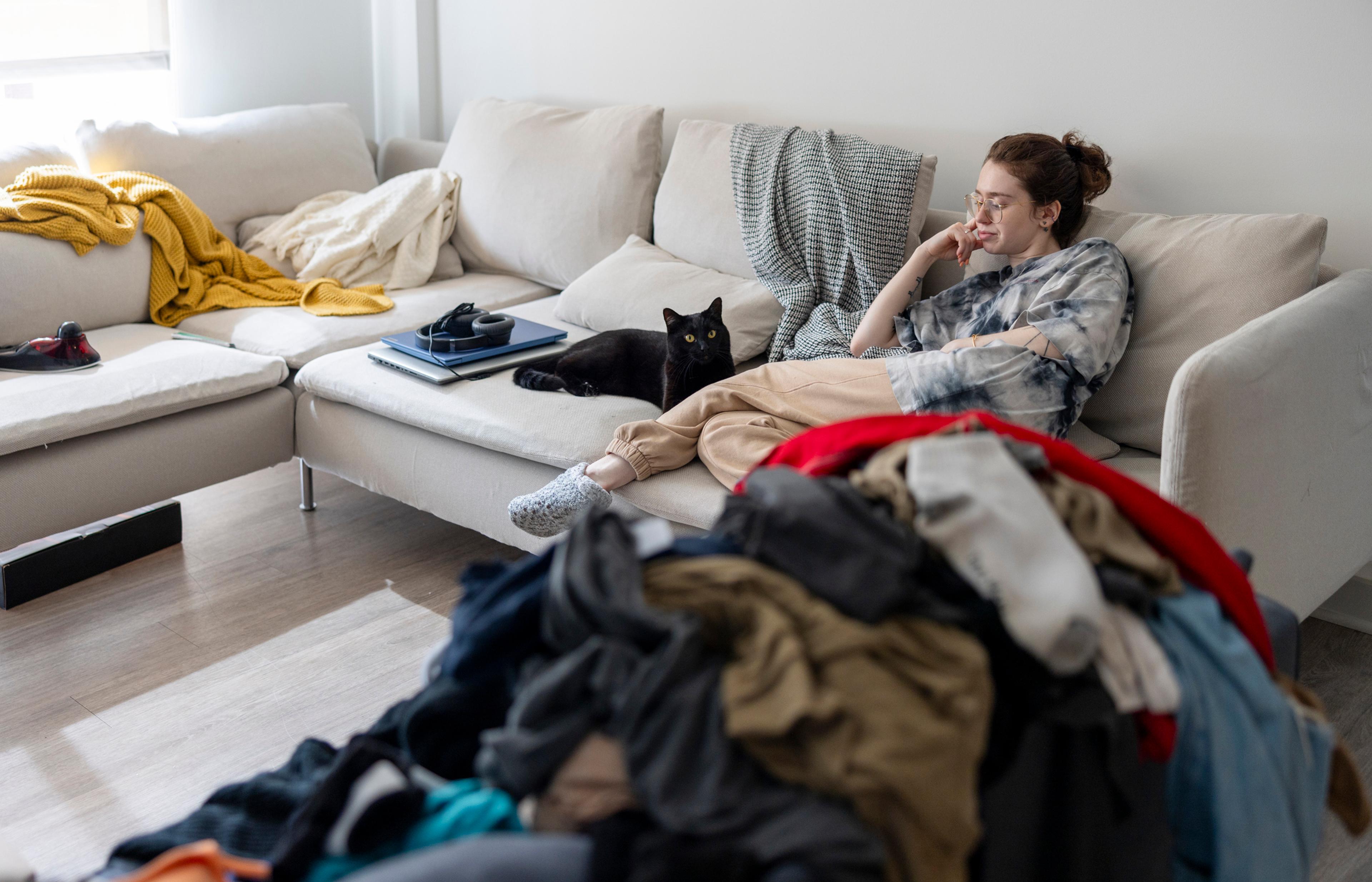
It can be easy to put off a task, instead filling your time with cleaning or scrolling on your phone. But underneath, there might be a feeling of resentment or dread. In time, procrastination might make you feel worse.
Let’s explore procrastination, its effects and how you can put an end to it.
Why procrastination makes you feel worse
While procrastination might seem like a problem with time management or laziness, it’s actually about emotional regulation, according to the American Psychological Association (APA). When you need to do a task that you don’t want to do or one that seems too challenging, you may consciously or subconsciously seek relief by avoiding the task. You may reach for a game on your phone, a TV show or even a different task, which can give you a feeling of productivity.
Emotions that can lead to procrastination include:
- Boredom
- Fear of failure
- Perfectionism
- Frustration
- Overwhelm
- Self-doubt
Procrastination is normal; most people will procrastinate from time to time. Additionally, people who struggle with their mental or physical health may also be more likely to procrastinate. Having low energy or increased anxiety can make daily life difficult.
When procrastination becomes a chronic habit rather than an occasional situation, it can lead to increased stress, anxiety, depression and worsened physical health. Chronic stress is associated with lower immune response, increased risk of heart disease, poor gut health, increased blood sugar levels and weight gain.
In the extreme, chronic procrastination can also lead to financial difficulties, loss of employment and relationship challenges.
How to stop procrastinating
Here are some pointers on getting through the drag of procrastination.
Recognize the problem
A first step in halting your procrastination is in recognizing the cause. Perhaps the task is boring and you don’t want to spend energy on it, or maybe you are afraid of a poor outcome. You can give yourself understanding and self-compassion, according to the APA. Beating yourself up, on the other hand, can make your negative emotions even stronger.
Hide distractions
If you find yourself starting on your work and then reaching for your phone or the TV remote, put the phone out of sight and out of reach. Make it more difficult to get to the easy distractions.
Break the task down into smaller pieces
Whether it’s a project at work or cleaning the whole house, you might not know where to start. Take a little time to break the task into smaller pieces, such as cleaning the smallest room of the house or only doing the dishes. Start with the easy tasks to gain momentum.
It may feel like you aren’t in the right mood or headspace to do good work, but mood follows action. You may need to act to start feeling motivated.
Set a timer
Give yourself a time limit of 20 to 30 minutes for some steady progress. Commit to working for that period of time and then allow yourself a break.
You may find you spent more time dreading the work you needed to do than actually completing the work.
Focus on done, not perfect
Fearing your project won’t be perfect is a barrier to completing it. But by telling yourself done is better than perfect, you can lower the barrier of success. You can improve on a first attempt or draft once you have it in hand.
Focus on consistency
Once you figure out ways to get past your desire to procrastinate, continue to practice these habits. If you struggle regularly with procrastination, it can take some time to manage your emotions and build new habits.
Give yourself a reward
Once you complete a task or spend your planned time on a chore, give yourself a reward. Going for a walk or a bike ride, for example, are healthy ways to celebrate your success and help you build on it.
For those who continually struggle with procrastination, talking to your primary care provider or a mental health professional may also help you dig into the underlying emotions. Feeling uninterested in your work and unable to focus are symptoms of depression, which is more serious and may require more care.
Learn more about mental health and options you have as a member to seek help at bcbsm.com/mentalhealth.
Image: Getty Images
Related: