Science-Backed Benefits of Spending Time in Nature
Peter Graham, M.D.
| 3 min read
Key Takeaways
- Michigan’s parks and waterways provide more than 300 rivers and 11,000 inland lakes, giving families ample outdoor options for summer recreation.
- Research shows just two hours a week in nature can lower stress hormones, blood pressure and depression risk, while outdoor exercise boosts intensity and duration.
- Safe “forest‑bathing” walks—using sunscreen, insect repellent and tick checks—let anyone, even in urban parks, reap the mental‑health benefits of nature.
Michigan has four national parks, five national forests, more than 100 state parks and hundreds of other regional and local parks.
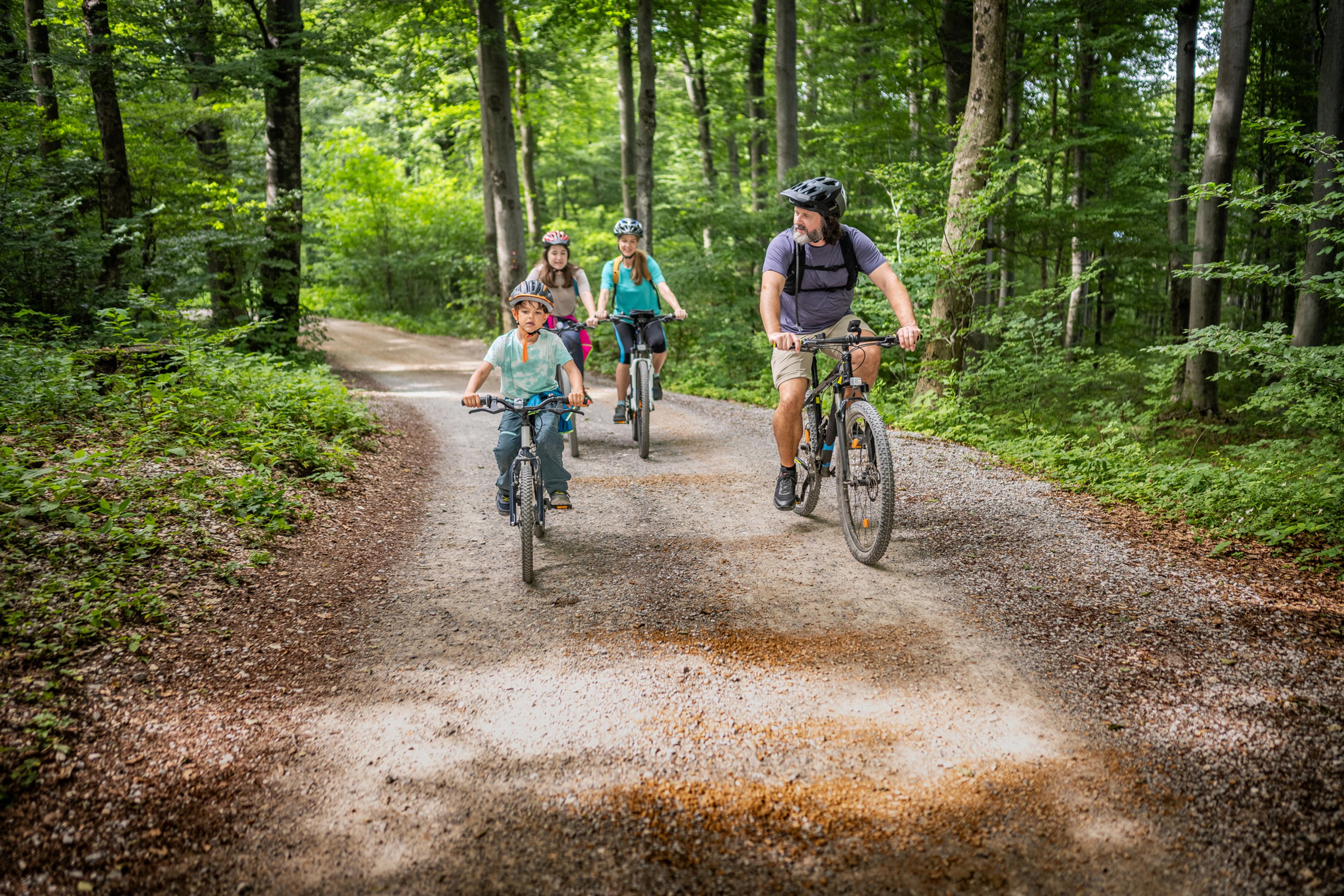
Summers in the Great Lakes State bring many opportunities to spend time outside at these beautiful locations that include millions of acres of land, thousands of miles of rail trails for biking, walking and running, and hiking trails for hiking and mountain biking. More than 300 rivers and over 11,000 inland lakes offer opportunities for swimming and paddling.
Spending time outside can reduce stress and help families create healthy, long-term habits while having fun. Here is a look at how getting outdoors this summer can benefit physical and mental health.
The benefits of spending time outside
Being outdoors can improve an individual’s mental and physical health. In fact, spending two hours a week outside can be enough to make a difference in a person’s well-being.
Spending time outside in nature can reduce stress levels as measured by heart rate and blood pressure, according to a systematic review of 43 studies. Being outdoors may also help reduce the risk of depression, and alter the part of the brain that regulates emotions to improve mood.
Spending time in nature may also help with heart health, both by reducing stress and blood pressure and providing opportunities for more exercise. The natural light of the outdoors can also be good for sleep quality, by regulating the circadian rhythm and leading to better overall physical and mental health.
Further, exercising outdoors can help people work out at a higher intensity and for a longer length of time. Fewer than half of American adults get the recommended amount of aerobic exercise.
But people don’t have to be in a rural park to get the benefits – urban parks and nature environments offer the same health benefits.
The forest bathing trend
The practice of “forest bathing,” which originated in Japan in the 1980s, has become a trend in the United States. Forest bathing is a meditative walk through the woods, focusing on experiencing nature with all five senses. Meditation and mindfulness are associated with better mental and physical health, including:
- Lower levels of stress
- Improved mood
- Better attention span
The practice can also lower heart rate and blood pressure and decrease levels of the stress hormone cortisol.
Staying safe in nature
While spending time outside in nature can help with mental and physical health, there are a few things people can do to reduce the risks from harmful ultraviolet rays and disease-carrying insects.
While outside, wear sunscreen and/or clothing that protects skin from the sun and reapply sunscreen every two hours or after swimming.
People should also take steps to protect themselves against insects such as mosquitoes and ticks. Do this by:
- Avoiding wooded, grassy and bushy areas where ticks live
- Wearing long pants and sleeves
- Applying an EPA-registered repellent on exposed skin
- Performing tick checks after coming inside
Pets who spend time outside should have tick repellent medications. If there is an embedded tick, pull it out with tweezers immediately. Ticks can carry Lyme disease and other illnesses that can cause serious health problems.
Peter Graham is the clinical director for the Blue Care Network. For more health tips and information, visit AHealthierMichigan.org.
Photo credit: Getty Images
Read on: