Safe Ways to Exercise in the Heat

Lilly DeLano
| 3 min read
Key Takeaways
- Exercise during the cooler hours of early morning or evening to lower the risk of heat‑related illness.
- Stay hydrated by drinking water regularly and consider electrolyte drinks for prolonged, intense activity; aim for about 100 oz for men and 74 oz for women daily.
- Watch for signs of heat exhaustion—dizziness, heavy sweating, weakness, nausea, shortness of breath, muscle cramps, vomiting or headache—and choose low‑intensity, shaded workouts like swimming, mobility drills or gentle bike rides when temperatures soar.
As summer continues, temperatures are on the rise, and the risk of heat-related illnesses increases.
It's important to know how to keep hydrated and cool down in the heat when trying to exercise and keep active. Here are some safe ways to keep your body healthy while exercising in the heat.
When to exercise outdoors safely
The time of day matters when exercising in the summer. To avoid peak heat, try to keep your outdoor workouts in the early morning or evening, according to the U.S. Centers for Disease Control and Prevention. If you plan your exercises around the cooler parts of the day and take steps to prepare yourself for heat, your risk of overheating goes down.
Know the signs of heat-related illness
Dehydration and heat-related illnesses are not to be taken lightly, per the Mayo Clinic. Even if you are not thirsty, drink water, especially when it is hotter than normal outside.
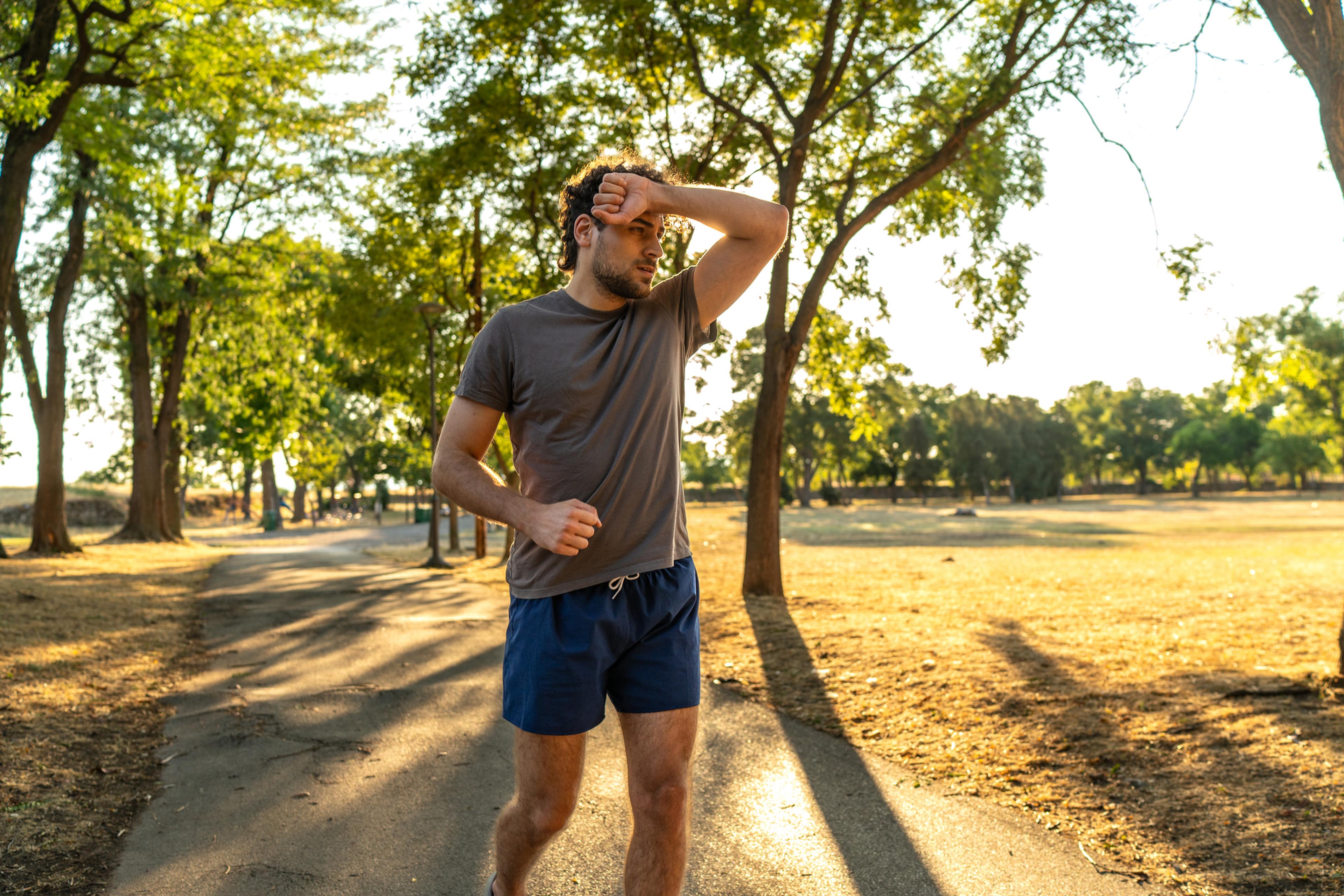
It's important to know the signs of heat exhaustion before working out in high temperatures. Signs of heat illnesses include:
- Dizziness
- Heavy sweating
- Weakness
- Nausea
- Shortness of breath
- Muscle cramping
- Vomiting
- Headaches
Children and older adults are more likely to become dehydrated and suffer from heat-related illnesses. If you or someone you know fits into this category, make sure to watch fluid intake.
Depending on the activity level and location, your fluid intake should increase. According to the Mayo Clinic, it is safe to assume men should be getting 100 ounces (oz) and women should get 74 oz. To ensure you are keeping hydration levels up, pack lots of water and take breaks often to replenish your body even if you aren’t that thirsty. While water is enough for hydration most of the time, electrolytes are important when you are exerting yourself in the heat.
Safer outdoor workouts
Just because it’s hot doesn’t mean there aren’t still ways to get a good workout in. There are many other ways you can move your body without overexerting yourself.
Finding a workout for the summer can seem overwhelming because you don’t want to risk your health, but it doesn’t have to be stressful. Here are some easy-access workout ideas for this summer:
- Swimming: Whether in a pool, pond or lake, swimming is a great way to keep cool while also staying active.
- Mobility drills: Exercising doesn’t have to be challenging, even moving your body around by doing leg swings, inchworms, arm circles and cat/cows are good enough for a hot day
- Trail bike rides: Find a local trail and take a friend and your bike. The shade and views of nature keep you mostly under shade while moving your legs.
- Low-intensity workouts: Yoga, Pilates and strength circuits are great low-intensity workouts and don’t take much effort. They can be great for gently getting your body moving without being too overbearing.
- Hiking or walking: If you choose a shaded route and go at a slower pace, walking or hiking can keep you moving without overheating you.
At the end of the day, you know your body best and what it can handle. Knowing what to do to keep your body healthy in the heat will better prepare you for any workouts or activities you are planning to do this summer.
Photo credit: Getty Images