Foods That Freeze Well and Foods That Don’t

Lindsay Knake
| 3 min read
Key Takeaways
- Soups, stews, chili, casseroles and shredded or ground meats freeze well and can provide quick, nutritious meals for up to three to six months when stored in airtight, freezer-safe containers.
- Some foods do not freeze well, including pasta, high-water produce such as cucumbers, lettuce and fresh tomatoes, and baked or boiled potatoes because they can become soggy or mushy after thawing.
- For best results, cool foods completely before freezing, store them in individual portions, remove excess air from freezer bags, and label and date containers to maintain quality and food safety.
Making your own frozen meals is a great way to have nutritious options on hand for a busy day, an illness or simply a day when you are tired and don’t want to cook.
But preparing these meals means it’s good to know what foods freeze well and what don’t. You can freeze certain foods and have something to reheat for three to six months.
Foods that freeze well
Here is a guide to some of the foods that freeze best, along with a few tips to prepare foods well.
Soups, stews and chili
Soups, stews or chili with protein and hearty vegetables are excellent freezer meals. You can cook them in a slow cooker and freeze a portion, or meal prep and freeze individual portions.
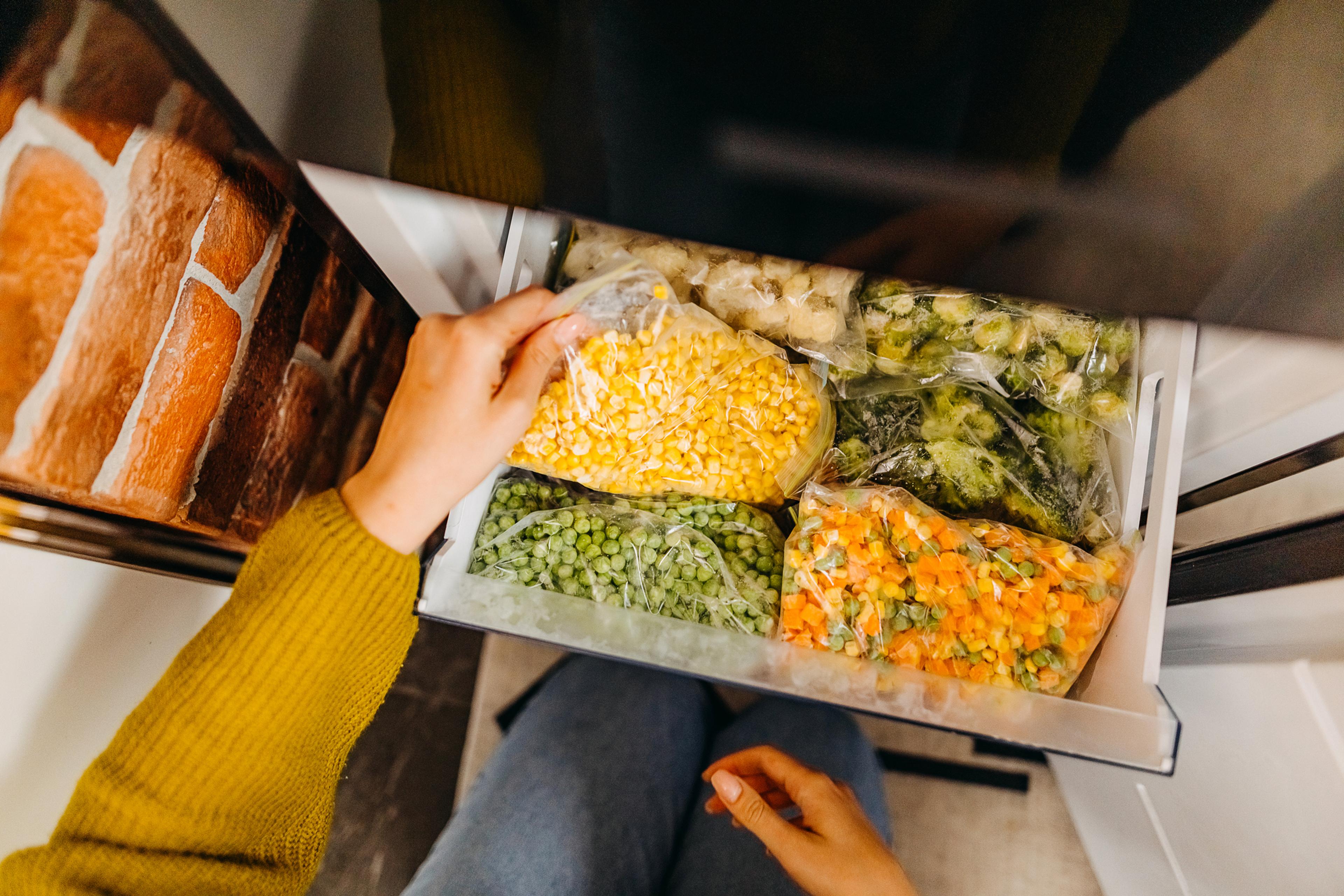
Grains such as farro or barley freeze better than pasta or rice, which you can add later to a thawed dish. Vegetables such as sweet potatoes, butternut squash, corn, carrots and peppers and greens also freeze well and add fiber and nutrients to your soup or chili.
Lasagna and casseroles
Lasagnas and casseroles are Midwest favorites, and they are good to freeze baked or unbaked. Make them in disposable aluminum pans or in a freezer-safe dish lined with parchment paper or aluminum foil. Slightly undercook noodles to prevent them from turning soggy.
You can freeze entire pans or individual portions.
Shredded or ground meat
If you make shredded or ground meat, including pork, beef or chicken, you can freeze leftovers in individual servings for later meals, such as sandwiches or tacos.
Sauces
Sauces for pasta dishes or pizza can freeze well. It’s an easy option to pull out of the freezer, thaw and add to freshly cooked noodles or pizza crust. If you have vegetables you want to add to the sauce, it’s best to freeze those separately because they can become mushy.
Fresh herbs and chopped greens
Fresh herbs and greens such as spinach or kale freeze well. Wash and lay them to dry, then store them in freezer safe bags. It can be helpful to freeze them in chunks in ice cube trays to later use in soups or sauces.
Berries
Berries, including strawberries and blueberries, freeze well. Wash them and let them dry, then put them into freezer-safe bags to store them for breakfasts or smoothies.
Bread, including pizza crusts
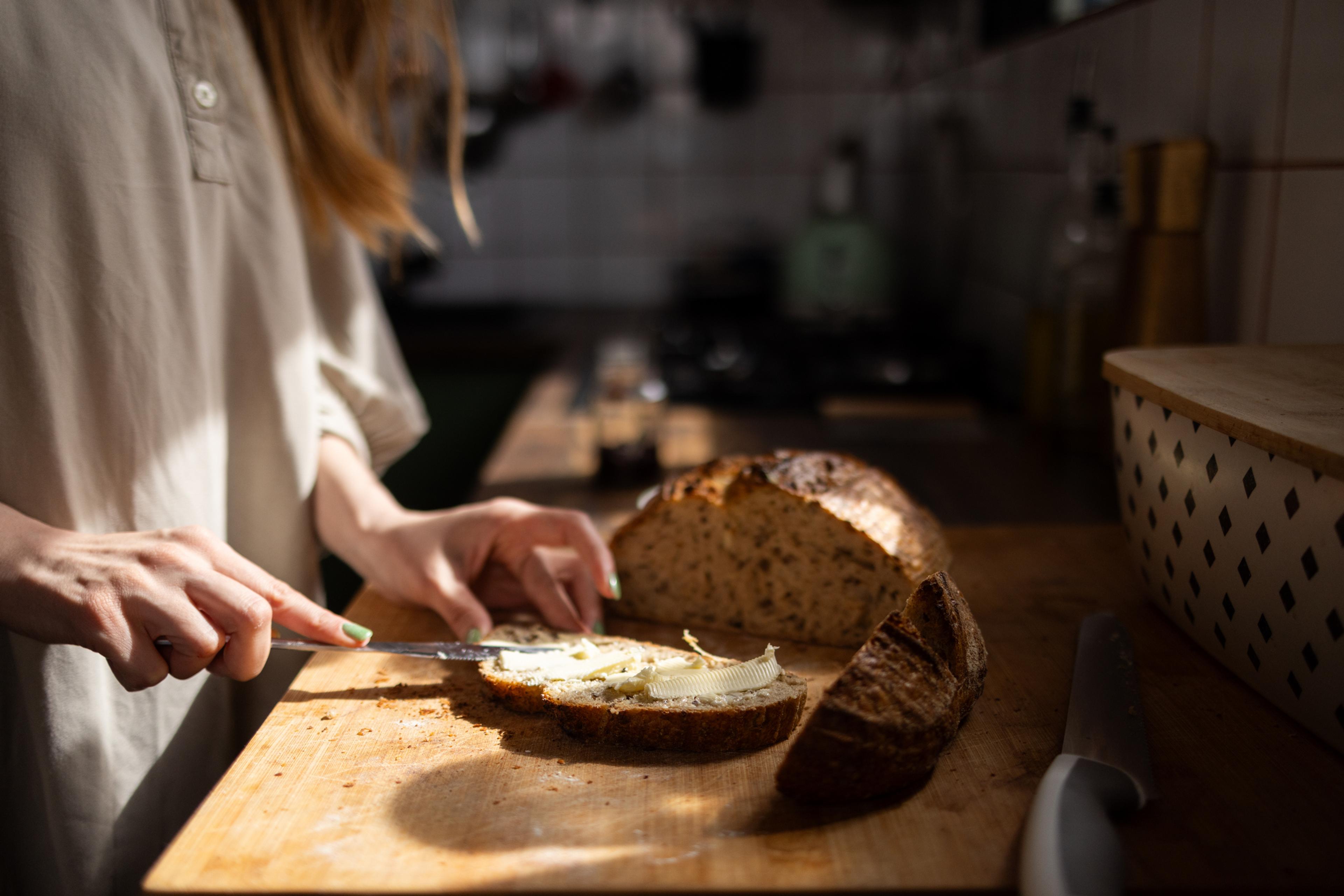
Bread freezes well. You can freeze extra bread to save it before it turns moldy, or you can freeze pizza crust to thaw for an easy meal.
Foods that don’t freeze well
When preparing a meal, it’s also important to know what foods don’t freeze well. Some of them you can quickly prepare to add to a previously frozen dish.
Pasta
Pasta can become soggy when it freezes and then thaws. You can slightly undercook the pasta and freeze it separately from a sauce. You can also add freshly cooked pasta to a thawed sauce or soup.
Produce with high water content
Produce with a high-water content are best eaten fresh or canned rather than frozen because they can turn mushy. These include:
- Citrus fruits
- Cucumbers
- Lettuces and cabbage
- Fresh tomatoes
- Zucchini
- Celery
If items like zucchini or celery are in soups, they tend to fare better when frozen.
Baked or boiled potatoes
While white potatoes can hold up in a soup or stew, freezing baked or boiled potatoes will leave you with a vegetable filled with ice crystals that can turn to mush when thawed.
Tips for freezing foods
Here are a few more tips on safely freezing and storing meals:
- Cool your food completely before freezing to reduce the risk of foodborne illness.
- Keep foods in individual portions.
- Use freezer-friendly, air-tight containers or bags and ensure they are sealed.
- Push out as much air as possible from freezer bags.
- Label and date your foods.
- Keep your freezer about 75% full to maintain the shelf-life of your food.
Photo credit: Getty Images