Common Thanksgiving Food Safety Mistakes to Avoid
Ryan Halberg
| 3 min read
Key Takeaways
- Foodborne illness affects 48 million Americans annually, but safe food handling can help prevent most cases.
- Common Thanksgiving mistakes include improper turkey thawing, undercooked stuffing and keeping leftovers too long.
- Food safety experts recommend following four key steps: clean hands and surfaces, separate raw and ready-to-eat foods, cook foods to safe internal temperatures and refrigerate perishable foods within two hours to limit bacterial growth.
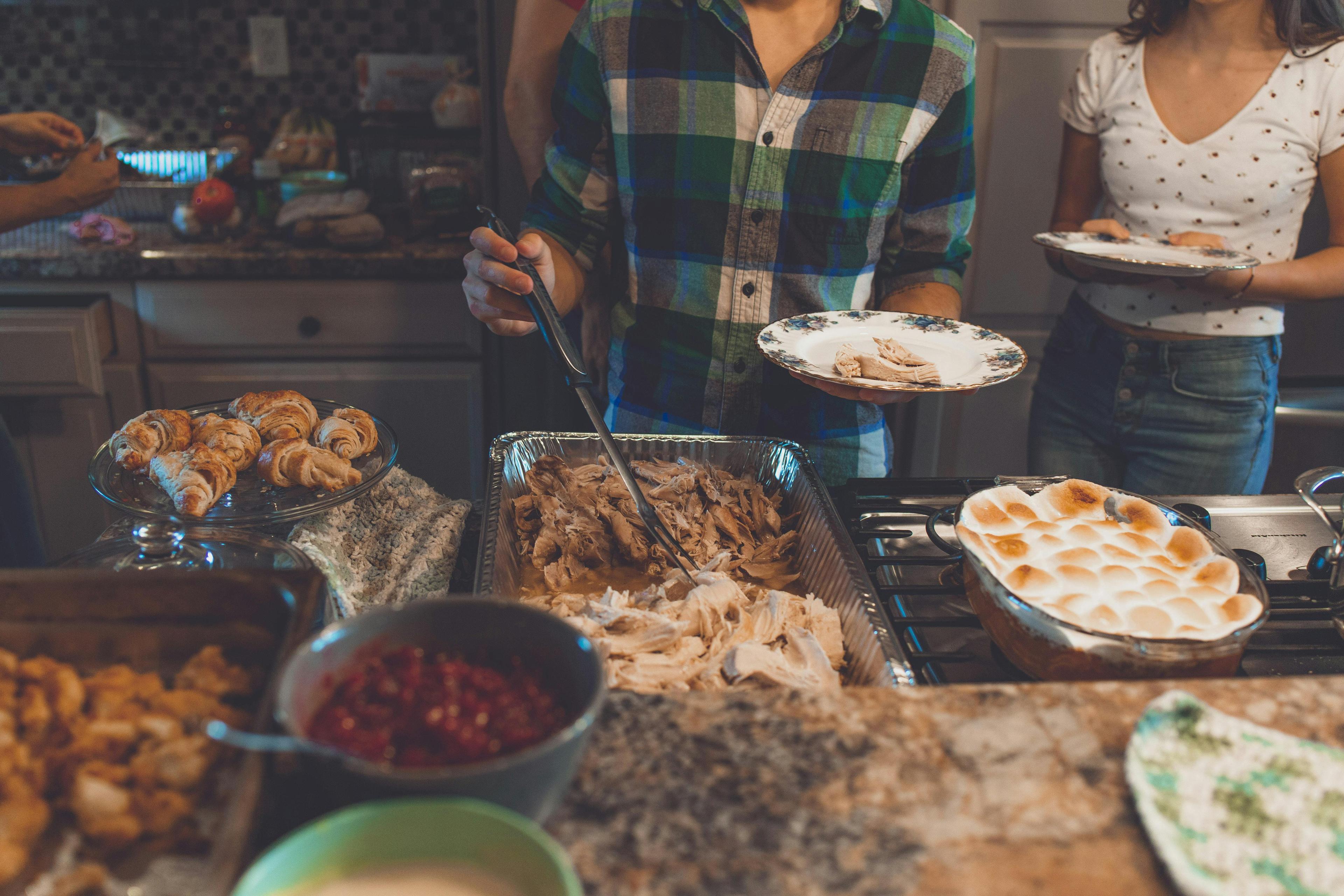
Thanksgiving can be a stressful day of food preparation, with numerous dishes cooked throughout the day, culminating in a late November feast. With hours upon hours spent in the kitchen this holiday season, food safety procedures are important to prevent people from getting sick.
Learn more about the importance of food safety, common Thanksgiving mistakes and general food handling best practices.
Why food safety matters
Foodborne illness affects 48 million Americans each year, according to the U.S. Centers for Disease Control and Prevention (CDC). For most people, food poisoning is a relatively mild illness that gets better without treatment, but severe cases can result in hospitalization or death.
According to the Mayo Clinic, common symptoms include:
- An upset stomach
- Vomiting
- Loose stools
- Stomach pain and cramps
- A fever
In rare cases, food poisoning can affect the nervous system, which may result in blurry vision, headaches, loss of movement in the arms and legs, tingling or numbness of the skin or general weakness. Regardless of the severity, cases of foodborne illness are bound to put a damper on the holiday spirit. The good news is that when you’re the one in the kitchen, foodborne illness is preventable.
Common Thanksgiving food safety mistakes
- Not knowing the differences between fresh and frozen turkey: Turkey labeled “fresh” means it has never been stored below 26 degrees Fahrenheit, per the U.S. Department of Agriculture (USDA). Fresh turkeys should be cooked within two days of purchase, unless otherwise noted on the manufacturer’s “Best by” tag. Most turkeys sold in the United States are frozen, meaning they’ve been cooled to 0 degrees F or lower. If you’re cooking a frozen turkey, leave ample time for it to thaw. If thawing in the refrigerator, the USDA recommends 24 hours for every four to five pounds.
- Undercooking stuffing: The center of the stuffing must reach 165 degrees F to kill harmful bacteria. The USDA recommends cooking stuffing in a casserole dish, as cooking inside the turkey increases the risk of cross-contamination and takes longer to fully cook.
- Keeping leftovers too long: Thanksgiving is known for plentiful leftovers, but they’re only safe to eat three to four days after cooking. Leftovers should be refrigerated within two hours of cooking and reheated to at least 165 degrees F before eating, per the CDC.
General food handling guidelines
While Thanksgiving is a big day on the calendar, food safety matters year-round. Following these practical food handling guidelines can limit your risk of foodborne illness:
- Clean: Thoroughly washing your hands and food-contact surfaces before handling any food, as well as rinsing fruits and vegetables under cool running water, can help prevent foodborne illness. Avoid rinsing raw meat, as washing these foods before cooking can allow bacteria to spread around the sink and countertops.
- Separate: Keeping raw food, like eggs and meat, away from foods that don’t need to be cooked prevents the opportunity for bacteria to spread from one food to another.
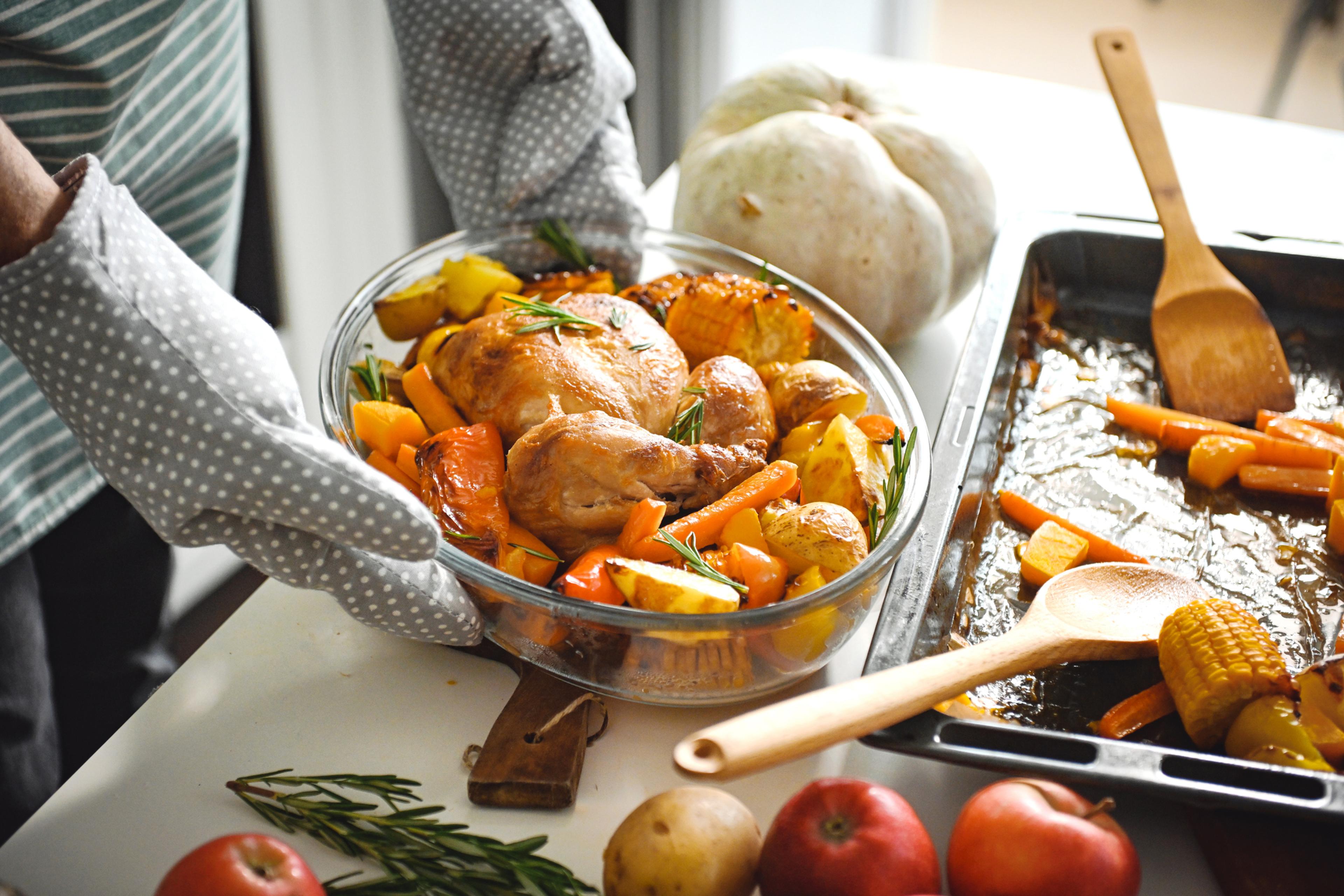
- Cook: Food is cooked safely when its internal temperature cankill harmful bacteria. For a Thanksgiving turkey, that means 165 degrees Fahrenheit in the thickest part of the thigh, wing and breast.
- Chill: Any food that needs to be stored in the fridge should be refrigerated within two hours, as harmful bacteria can grow at room temperature quickly. Always defrost foods in the refrigerator, under cold running water or in the microwave; never defrost at room temperature.
If you’re looking for more information on safe food handling, you can call the FDA’s Food Information Line, 1-888-SAFEFOOD.
Photo credit: Getty Images