5 Michigan Superfoods Packed with Nutrition Benefits
A Healthier Michigan
| 3 min read
Key Takeaways
- Michigan-grown foods like cherries, berries, asparagus and beans provide essential nutrients, antioxidants and fiber for a healthy diet.
- Tart cherries, Michigan’s signature fruit, may support sleep, exercise recovery and cognitive health while providing antioxidants and fiber.
- Michigan-grown berries are rich in antioxidants and fiber, supporting heart health, digestion and overall wellness throughout the year.
- Dry beans provide plant-based protein, complex carbohydrates, antioxidants and fiber, making them a nutritious addition to balanced meals.
Looking for nutritious foods grown close to home? Michigan produces a wide variety of fruits, vegetables and agricultural products that are packed with vitamins, minerals, antioxidants and fiber. From tart cherries to dry beans, these locally grown foods offer impressive health benefits and can easily fit into a balanced diet.
"There is no scientific or regulated definition of the term 'superfood,' according to Harvard Health and Harvard's Nutrition Source." It typically refers to a food that is dense in nutrients. But you don't need anything new or fancy. There are many nutrition and healthy foods grown in Michigan.
High in nutritional value, there are many delicious Michigan superfoods that provide amazing health benefits. Here are five of our favorites:
Cherries
Traverse City is known far and wide for these delicious fruits. Dried or fresh cherries contain tons of nutrients like Vitamin A, potassium, antioxidants and fiber. This fruit may also help with sleep, cognitive function and recovery after exercise. Research suggests tart cherries may support sleep quality, exercise recovery and cognitive health. Additionally, about 70% to 75% of U.S.-produced tart cherries come from Michigan.
Coffee
Regular coffee consumption has been associated with a lower risk of cardiovascular disease, Type 2 diabetes, stroke and certain neurodegenerative diseases in many studies.
Cities like Holland, Ann Arbor and Kalamazoo are known for roasting some great beans. When you drink coffee, use milk or a milk alternative and limit your use of sugar and artificial sweeteners.
Berries
Between blueberries, strawberries and other fresh varieties, Michigan arguably grows some of the best berries in the country. Berries are good sources of antioxidants and fiber, among other vitamins for heart and gut health.
Most farmers markets have great places to get fresh berries in the summer.
Asparagus
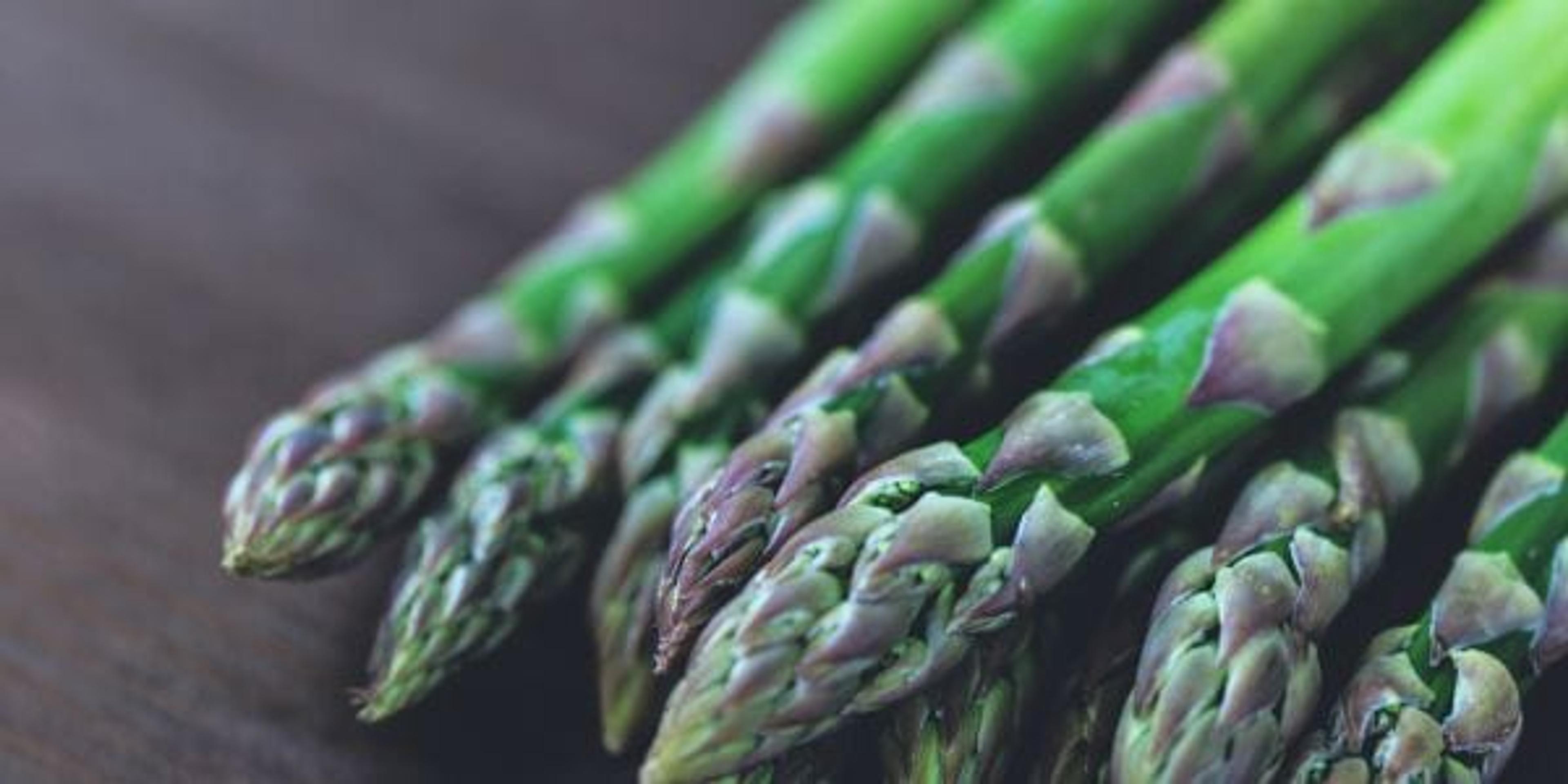
This spring vegetable is loaded with health benefits. Asparagus is low in calories and fat and a good source of vitamins K and B, folate and fiber. These nutrients are essential for healthy bones and cell growth.
Asparagus is delicious when grilled or steamed as a side or added to salads.
Beans
These superfoods come in many different varieties, are packed with protein, complex carbohydrates, antioxidants and insoluble fiber. Beans are a heart-healthy source of protein and are good for digestion.
Beans are easily blended or substituted into any meal. Michigan is the nation's top producer of organic beans, including black, navy and pinto beans. Michigan growers produce more than 500 million pounds of dry edible beans each year, and the state is the nation's leading producer of organic beans."
Photo credit: Kristy Johnson
Related: