How Seasonal Changes, Even in the Spring, Affect My Anxiety

Monica Drake
| 3 min read
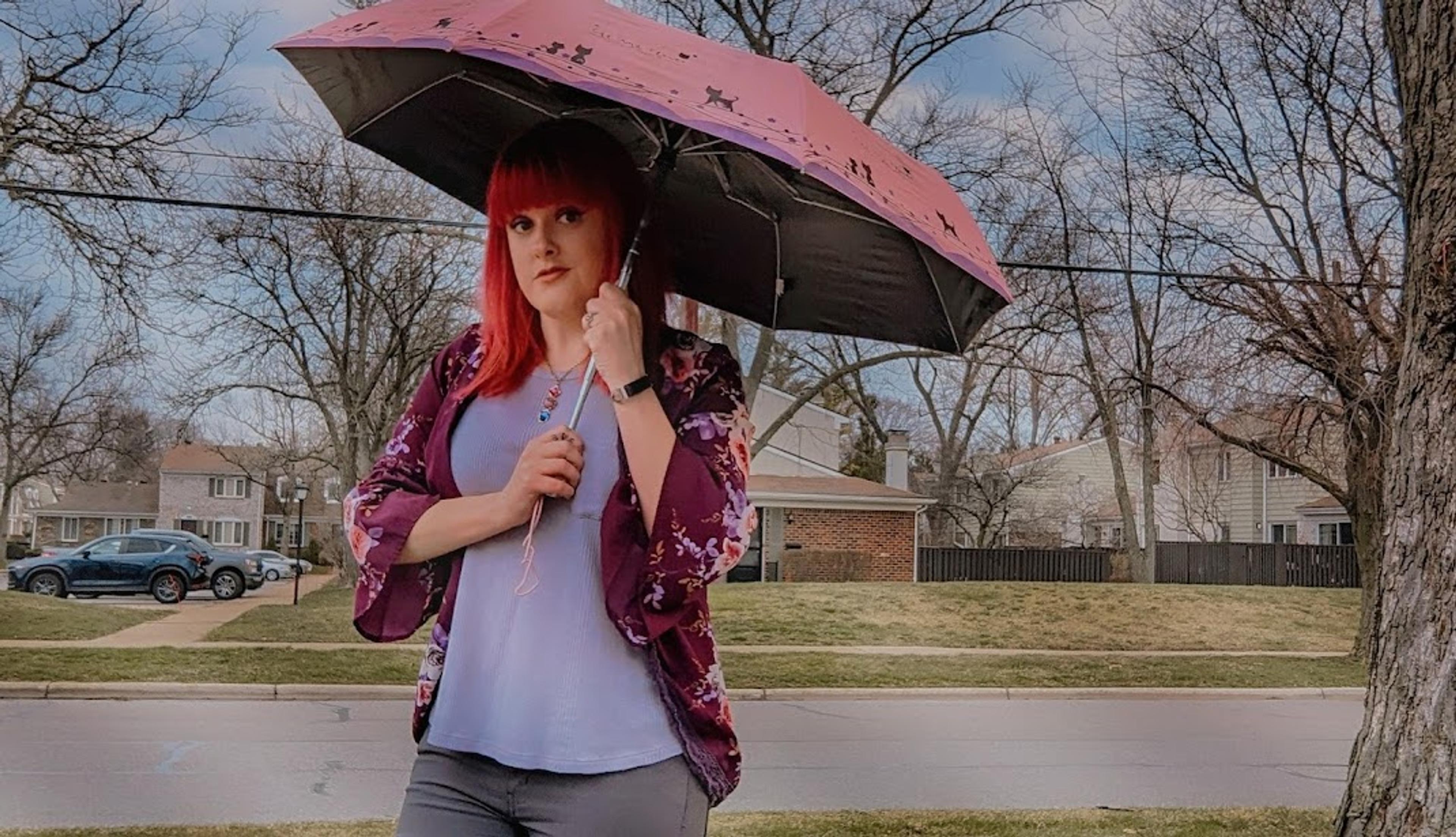
I’ve noticed something about my anxiety over the years – that almost every year it feels like my anxiety heightens around mid-March and early April.
Each year, it comes as a surprise. All of the sudden, I'm feeling overwhelmed and anxious out of my mind, and I think to myself, "What's happening to me?" And then I remember...”oh yeah, it's the beginning of spring.”
Why March and April? I know it's common for the winter months to affect peoples’ mental health. But the spring? When temperatures are finally getting warmer? Why would that affect my mental health?
When someone struggles with Seasonal Affective Disorder, they usually start to feel down in the fall and winter, and they begin to feel better in the spring. My mental health always feels at its worse around November and December, then I'm fine the rest of the winter. My mental health then plummets again in the beginning of spring, and I'm feeling better by the end of April into May and throughout the summer into the fall.
There's something about November and March that hit me hard. Seasonal changes – and that means any seasonal changes, not only the winter – can affect some people's mental health. Change is one of my top anxiety triggers, even if the change is good.
For instance, whenever I've started a new job – even when I'm so excited about the new adventure – I am an anxious mess for at least a couple weeks. The same goes for when the seasons change. My daily activities may change as the days grow warmer, so it's normal that I may have a bit of an adjustment period for that as well.
According to HealthyPlace.com, "our circadian rhythms change with the increased length and intensity of sunlight, affecting sleep-wake cycles, energy, and mood. Studies have shown that both suicide rates and manic episodes of bipolar disorder peak during the spring season due to change in our circadian rhythm.
"While it can be refreshing to be able to spend more time outdoors and do different activities, it’s still a change our minds and bodies must adjust to."
It's easy to assume that people's moods have improved because it's now spring, but we still need to check in our friends and family who do struggle with their mental health in these warmer months too.
Mental health counselor Bernie Fox shared on Medium.com that his son Zac lost his life to suicide in the early spring about 15 years ago. Even though Zac had a history of depression, Bernie said he had no concerns about him contemplating suicide. After all, it was almost Easter, and Zac was looking forward to enjoying time outdoors. The day Zac died seemed to be one of his "better days," so Bernie had no idea it would be the last day he would see his son alive.
"Here is an explicit advisory: The return of sunny days, the fresh air of spring, may negatively affect those having experienced depression during the dark months of winter,” wrote Fox. “(I) encourage you to come alongside someone you know is suffering, despite, or perhaps because of, the arrival of spring. To do what you can, even in the smallest of ways, let them know that they are not alone.”
Opinions expressed in this blog belong solely to the author and do not necessarily reflect the opinions or beliefs of Blue Cross Blue Shield of Michigan or its subsidiaries and affiliates.
Photo credit: Courtesy of Monica Drake
Photo credit: Courtesy of Monica Drake
Related: