Bread Flour vs. All-Purpose Flour for Baking

Lindsay Knake
| 3 min read

Key Takeaways
- Bread flour is a hard wheat flour with higher protein content than all-purpose flour, making it best for yeast breads, breadsticks, pita and pizza dough.
- All-purpose flour is a staple for many baked goods, including cakes, cookies, pancakes and pie crust.
- You can use all-purpose flour for bread flour if needed, but using the right flour for your baked goods will give you the best product.
When you want to bake a loaf of bread, what kind of flour should you use, bread flour or all-purpose flour? What is the difference between them?
Flours used for baking are differentiated by their protein content. This makes a big difference in how baked goods rise and their texture. Here is a look at these two types of flours and when to use each.
Bread flour
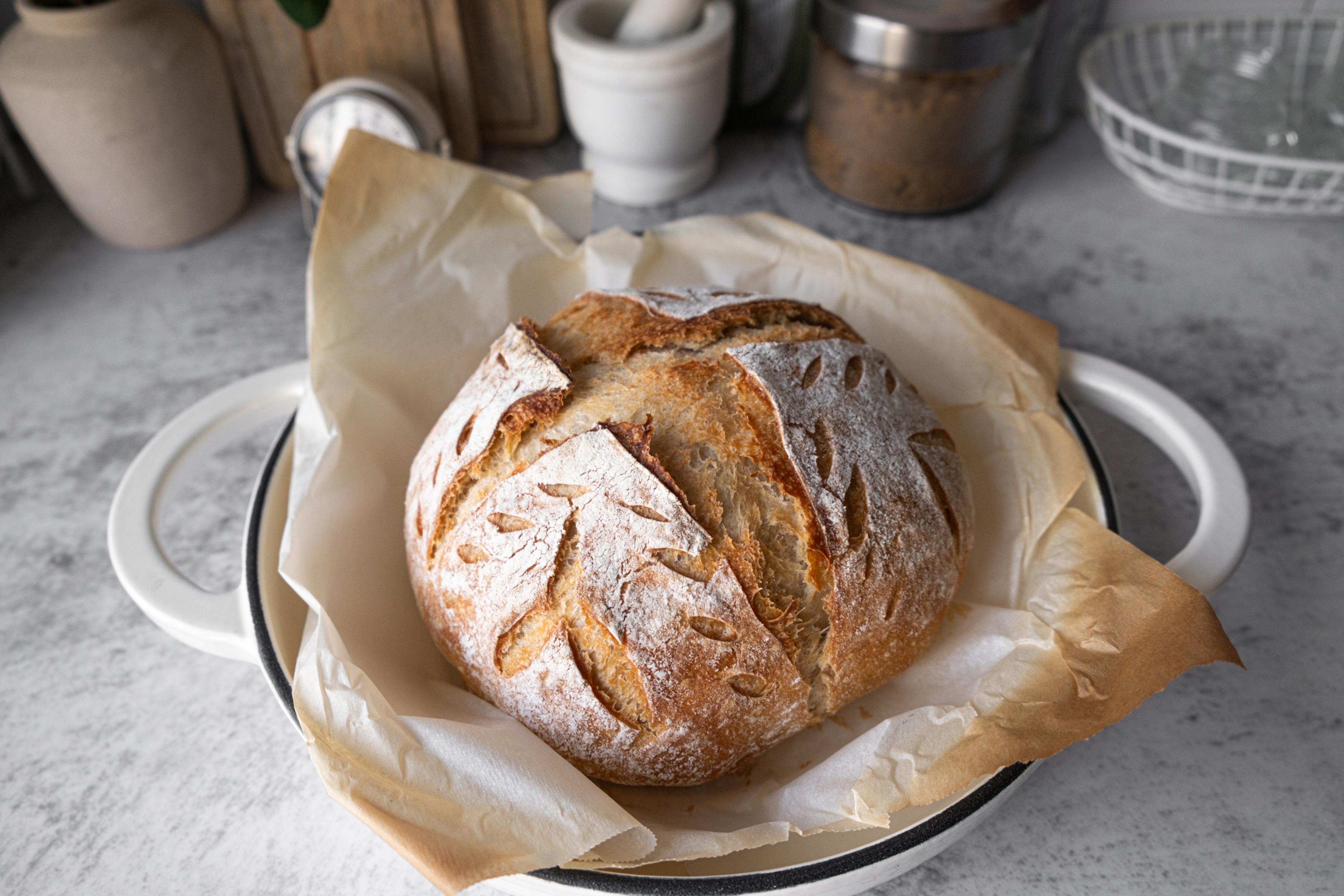
Bread flour is a hard wheat flour with higher protein content than all-purpose flour, about 12% to 14% compared to 10% to 11%, respectively. This type of flour absorbs more water than all-purpose flour. When mixed with water, the protein in bread flour forms gluten. Gluten is key for allowing the dough to stretch and retract, which helps baked goods containing yeast rise properly. The high protein content of bread flour helps create structure that supports a chewy texture and a well-developed crust. Bread flour is best for stretchy, chewy and light breads or baked goods, including:
- Most types of yeast bread, including Focaccia, French bread, sandwich bread and sourdough
- Breadsticks
- Pita
- Pizza dough
- Soft pretzels
All-purpose flour
All-purpose flour is a staple for any baker. This type of flour is made from a mix of hard and soft wheat and has a neutral flavor, allowing it to take on the flavors of other ingredients in the recipe. It has slightly less gluten than bread flour, which means it may not rise as well and create a denser texture than breads made with bread flour.
As its name implies, you can use it to make almost anything, including:
- Banana bread
- Biscuits
- Cakes
- Cookies
- Pancakes
- Pie crust
Baked goods made with all-purpose flour tend to be crumblier and more tender than chewy.
Bread flour vs. all-purpose flour
All-purpose flour will be your go-to for many types of baked goods, and you can use it to make bread if you don’t have bread flour on hand. Experienced bakers may also use cake flour for cakes or finely-ground pastry flour for pie crusts and pastries; the low protein content gives the cakes and pastries their crumbly or delicate texture, respectively.
But if you want a chewy loaf of bread or to perfect your sourdough recipe, you’ll want to have bread flour in your pantry. It’s slightly more expensive than all-purpose flour, but it will help your bread rise and have the texture you’re looking for.
A recipe that calls for bread flour will typically name it, but “flour” often means all-purpose flour. If you need to substitute one for the other in a recipe, you can use a 1:1 ratio and adjust the amount of water slightly based on the dough.
For those who need to eat a gluten-free diet, baking can be more of a challenge. One tip to start baking with gluten-free flour is to add ¼ teaspoon of xanthan gum per cup of flour. This will act to stabilize the dough like gluten does. Baking with gluten-free flours will take experimentation, especially depending on the type of baked good and type of flour.
Image: Getty Images
Related: