Fit for Every Phase: Finding the Perfect Workout at Any Age
Peter Graham, M.D.
| 3 min read
Key Takeaways
- Assess fitness level and get medical clearance before starting a new routine, especially after a long break or with chronic conditions.
- Choose low‑impact activities—walking, swimming, cycling, yoga or tai chi—to protect joints while still achieving moderate‑intensity cardio and strength benefits.
- Pick workouts you enjoy, whether solo or in a group, to build a lasting habit and support overall mobility, balance and well‑being.
Adults in their 50s and 60s may notice that the exercise routines they did earlier in life don’t feel the same as they did when they were younger. That’s because the body’s capabilities and needs shift over time. What works well in early adulthood is likely not suitable decades later, and workout routines need to be tailored accordingly.
By adapting exercise over time and focusing on the types of exercise that fit a person’s abilities, individuals can maintain fitness as a part of their lifestyle and well-being. Here are some ways to find the workout that fits.
Assess current levels and abilities
The U.S. Centers for Disease Control and Prevention (CDC) recommends that healthy individuals over age 65 get 150 minutes of aerobic activity at moderate intensity per week, plus activities that strengthen muscles and improve balance.
For adults who have had a long lapse in their exercise routine, or who have physical limitations, past injuries or a chronic condition, it’s a good idea to talk with a health care provider before launching into a workout plan.
This will allow the provider to review a person’s health status, assess their fitness level and recommend activities that will fit with their abilities.
Sometimes, individuals will need to adjust the way they perform certain activities or exercises to accommodate their physical limitations. For example, some exercises may be done at a slower pace. Some exercises may be done in a seated position rather than standing.
Low-impact workouts
For adults with movement or mobility challenges, or with joint pain from arthritis or other issues, low impact exercise is often a great option.
Low-impact exercise limits the stress on joints by keeping at least one foot on the ground. Rather than jumping or running, for example, adults can walk, swim, use an elliptical machine, or engage in fluid movements like tai chi. All of these low-impact workouts reduce the potential for joint injury because they are less jarring to the body.
And, although the term “low-impact” is used, these forms of exercise can also be high-intensity. Adults can easily get their heart rate up to desired levels and can build strength, tone and balance with low-impact exercise.
Low-impact exercises include:
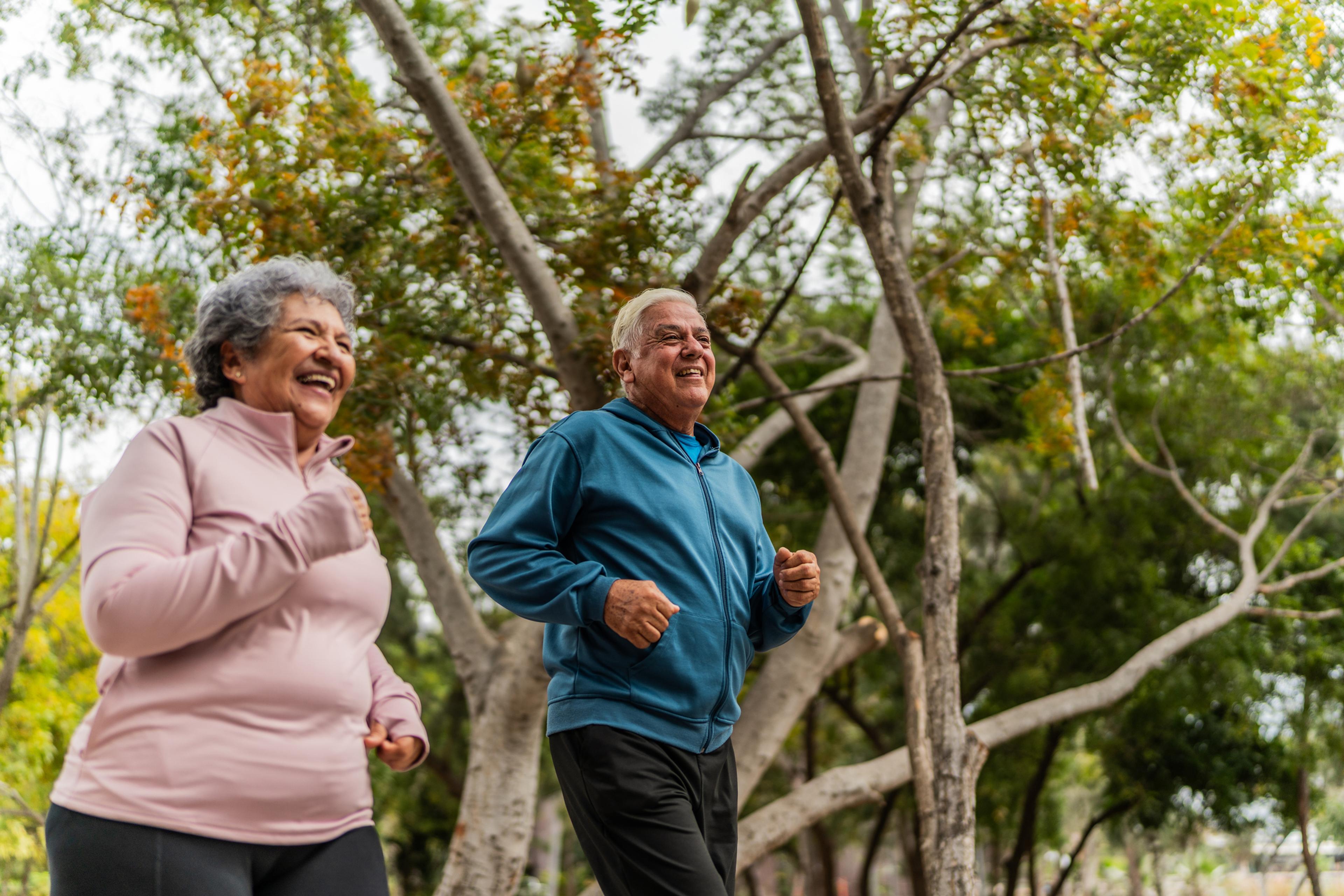
- Walking
- Hiking on a trail
- Swimming
- Rowing, canoeing, kayaking
- Golfing
- Bike riding
- Gardening
- Yoga and tai chi
Enjoying physical activity
Active adults have an abundance of ways to improve mobility, build strength and balance, and stay fit. And one of the best ways to maintain a fitness routine is to find something enjoyable and motivating. Research shows that when people enjoy their exercise, they are more likely to continue to do it.
Some people find that exercise is more fun as a social activity. They may enjoy working out in a group, taking a class, or playing in a sports league.
Others may enjoy their solitude while exercising, such as using a treadmill or elliptical machine, hiking outdoors, or taking classes at home on video.
The key to success is to maintain an exercise habit, and finding enjoyment in the exercise of choice increases that likelihood.
Dr. Peter Graham is clinical director for the Blue Care Network. For more health tips and information, visit ahealthiermichigan.org.
Image: Getty Images
Read on: