5 Common Household Poisons to Avoid
Dr. Crystal Lee
| 3 min read
Someone in the United States is exposed to poison every 15 seconds, according to statistics from the National Capital Poison Center. In 2024, 55 U.S. poison centers provided telephone guidance for nearly 2.1 million human poison exposures. Children are the most at risk for poisoning, especially those six years and under. However, for adults and teens, poisonings are often more serious, and poisons at home present the primary risk.
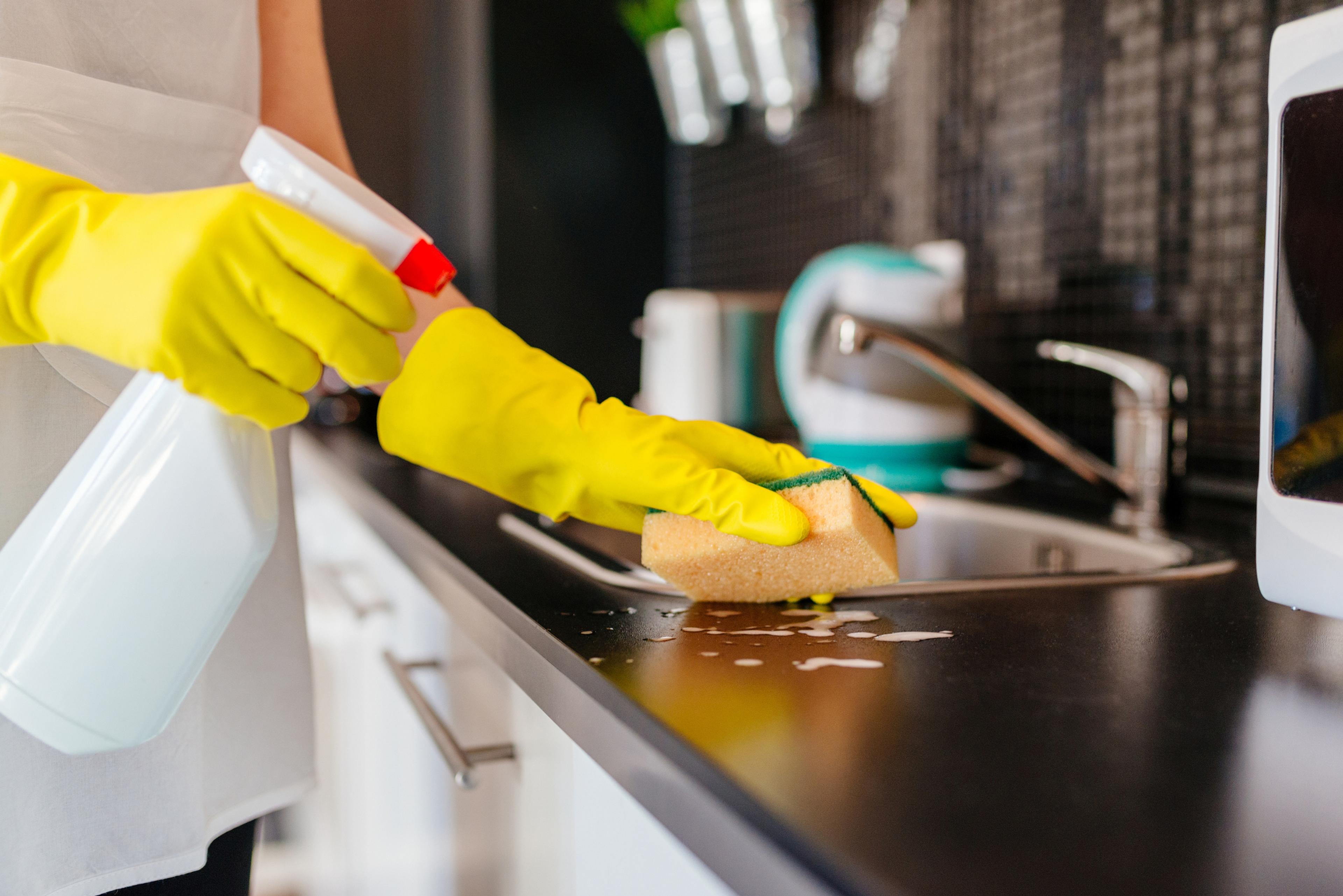
For both children and adults, household cleaning substances are among the top five most common sources of poisoning, as reported to Poison Control centers. Household cleaners often contain chemicals and substances like bleach, ammonia, vinegar and hydrogen peroxide that can produce toxic gases when mixed together.
The top five sources of poisoning in children:
- Household cleaning substances: 10%
- Analgesics (pain medications): 9%
- Cosmetics/personal care products: 9%
- Foreign Bodies/toys/miscellaneous: 8%
- Dietary Supplements/herbals/homeopathic: 7%
The top five sources of poisoning in adults:
- Analgesics (pain medications): 10.4%
- Cardiovascular drugs: 7.6%
- Antidepressant drugs: 7.3%
- Sedative/hypnotics/antipsychotic drugs: 7%
- Household cleaning substances: 6%
Common household poisons
Sources of poison in a household aren’t hard to find – they are used in many everyday activities around the home and garden, from cleaning products and batteries to dish soap and laundry detergents. Insecticides, mothballs, antifreeze and roach and ant bait are also commonly toxic substances. Some plants can also be poisonous to humans and animals, so it’s important to do research about a live plant before bringing it home.
Safe storage pointers and other prevention tips
Keeping everyone – adults, children and pets – safe from poisonous substances in the home starts by safely storing the products.
- Put cleaning products, batteries, household chemicals, personal cosmetics, medications, supplements and vitamins away on a high shelf or in a cupboard out of reach of children and pets
- Use a child safety lock on cabinets to keep the doors closed and to ensure peace of mind
- Store medications in the containers they came in, and keep all directions for use
- Educate children when they are old enough about the dangers of ingesting substances like household cleaners or detergents, about not experimenting with household chemicals out of curiosity and teach them to call 911 in case of an emergency
- Place carbon monoxide detectors near sleeping areas
- Keep button batteries and small magnets out of reach
Take time to read the labels of household cleaners. They may contain ingredients that should not be mixed with other cleaning products – as there is a risk for toxic gas. When individuals are cleaning the house, make sure to only use one cleaning product on a surface at a time.
Here are household cleaners that should never be mixed:
- Bleach and ammonia
- Bleach and toilet bowl cleaner
- Bleach and vinegar
- Hydrogen peroxide and vinegar
- Bleach and drain cleaner
- Bleach and rubbing alcohol
- Different brands of drain cleaners
- Oxalic acid-based cleaners and trichloroisocyanuric acid
(Bar Keeper’s Friend and Ajax/Comet)
Always use household cleaners in a well-ventilated area and open a window if possible. If poisoning is suspected, contact Poison Control by texting POISON to 301-597-7137 or calling 1-800-222-1222. If someone is having difficulty breathing, collapses or is losing consciousness, or has a seizure, call 911 for emergency help.
Crystal Lee, MD, FACP, CPC-A, CHQM, is a medical director of utilization management at Blue Cross Blue Shield of Michigan. For more health news and information, visit AHealthierMichigan.org.