Are Pecans Good for You?

Jazmin Anderson
| 3 min read
Key Takeaways
- A 1‑quarter‑cup serving of pecans (about 19 halves) provides roughly 225 calories, 22 g of fat and 1.7 g of fiber, along with notable amounts of magnesium, potassium and zinc, according to USDA data.
- Regular pecan consumption may support heart health thanks to unsaturated fats, fiber and antioxidants, but a sudden increase in intake can cause bloating or gas, especially for those with digestive sensitivities.
- While the MIND diet cites nuts as brain‑healthy, evidence specific to pecans is inconclusive; they can be a nutritious snack or addition to salads, desserts and granola when eaten as part of a balanced diet.
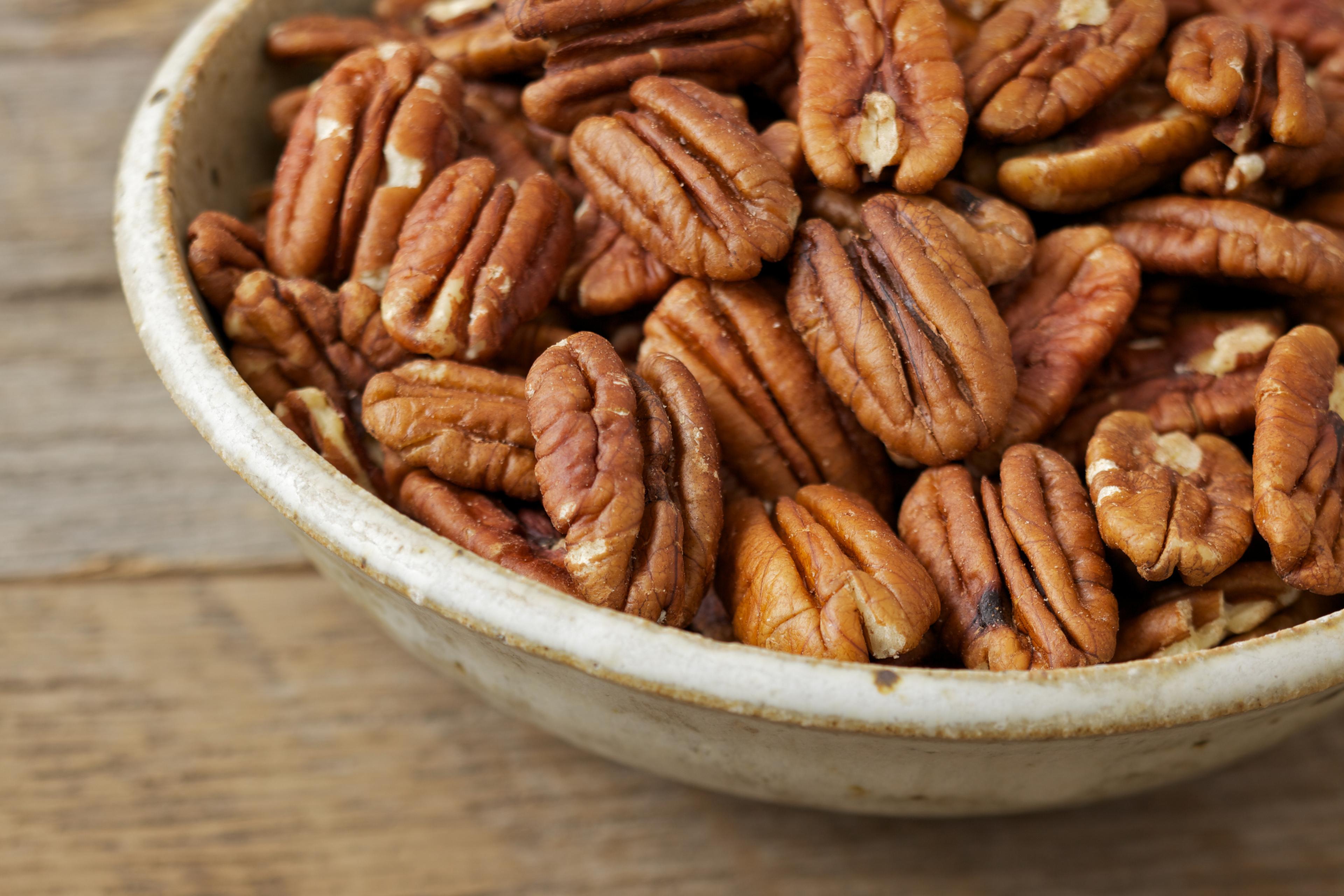
Pecans are a popular ingredient for baking, thanks to their buttery flavor and crunchy texture. They are also rich in vitamins and minerals, making them a nice addition to your diet.
Here is some information about pecans to help you decide whether you want to pick up a bag during your next visit to the grocery store.
Nutritional value of pecans
According to the U.S. Department of Agriculture (USDA), 30 grams (g), (about 1/4 cup or 19 pecan halves) contain about:
- 225 calories
- 22 g fat
- 1.74 g fiber
- 3.81 g carbohydrates
- 3 g protein
- 55 milligrams (mg) calcium
- 2.37 mg iron
- 103 mg magnesium
- 2.28 mg manganese
- 360 mg potassium
- 253 mg phosphorus
- 3.93 mg zinc
Do pecans promote heart health?
According to a journal review of the benefits of pecans, regular consumption of this nut has various cardiometabolic benefits. Pecans provide unsaturated fats, fiber, antioxidants and minerals such as magnesium and potassium that may support cardiovascular health as part of an overall healthy eating pattern.
Pecans as a fiber source
According to Harvard Health, nuts, due to their high fiber content, can be a good addition to your diet to promote gut health.
The insoluble fiber in nuts, whole-wheat flour, beans and certain vegetables help move digested food through the intestines, supporting regular bowel movements.
Current dietary guidelines for Americans recommend 38 grams of fiber per day for men and 25 grams for women. The American Society for Nutrition notes more than 90% of American adults don’t get enough fiber, and adding pecans can be a way to increase your fiber content.
Habitually consuming too little fiber is associated with constipation and may contribute to increased hunger, poorer cholesterol levels and reduced overall diet quality.
Suddenly eating much larger amounts of high-fiber foods, including pecans, may cause bloating, gas or abdominal discomfort. Increasing fiber gradually and drinking adequate fluids can help minimize these symptoms. People with digestive conditions such as irritable bowel syndrome may also have more difficulty eating pecans.
Are pecans good for the brain?
The MIND diet, which emphasizes foods with compounds believed to protect the brain by reducing oxidative stress and inflammation, recommends consuming more than five servings of nuts per week. According to Harvard University, researchers found participants with dietary habits best matching the MIND diet guidelines had a 53% lower rate of Alzheimer's disease.
However, a systematic review of the effects of nut consumption on cognitive health found it’s inconclusive whether increasing nut consumption protects cognitive function throughout life. It’s important to note this review didn’t specifically focus on pecans and was examining whether nut consumption contributed to brain health across a person’s life span.
How to incorporate pecans into your diet
Pecans contain various nutrients that promote healthy bodily functions. However, consuming pecans alone to get these nutrients will not have a dramatic effect. Still, pecans can be a healthy snack alternative for a boost in minerals and vitamins between meals. To achieve significant improvements in your health, it’s crucial to adopt a nutrient-dense, balanced diet and an active lifestyle.
Photo credit: Getty Images
Related: