Essential Ingredients for a Flavorful, Healthy Stir-Fry
A Healthier Michigan
| 3 min read
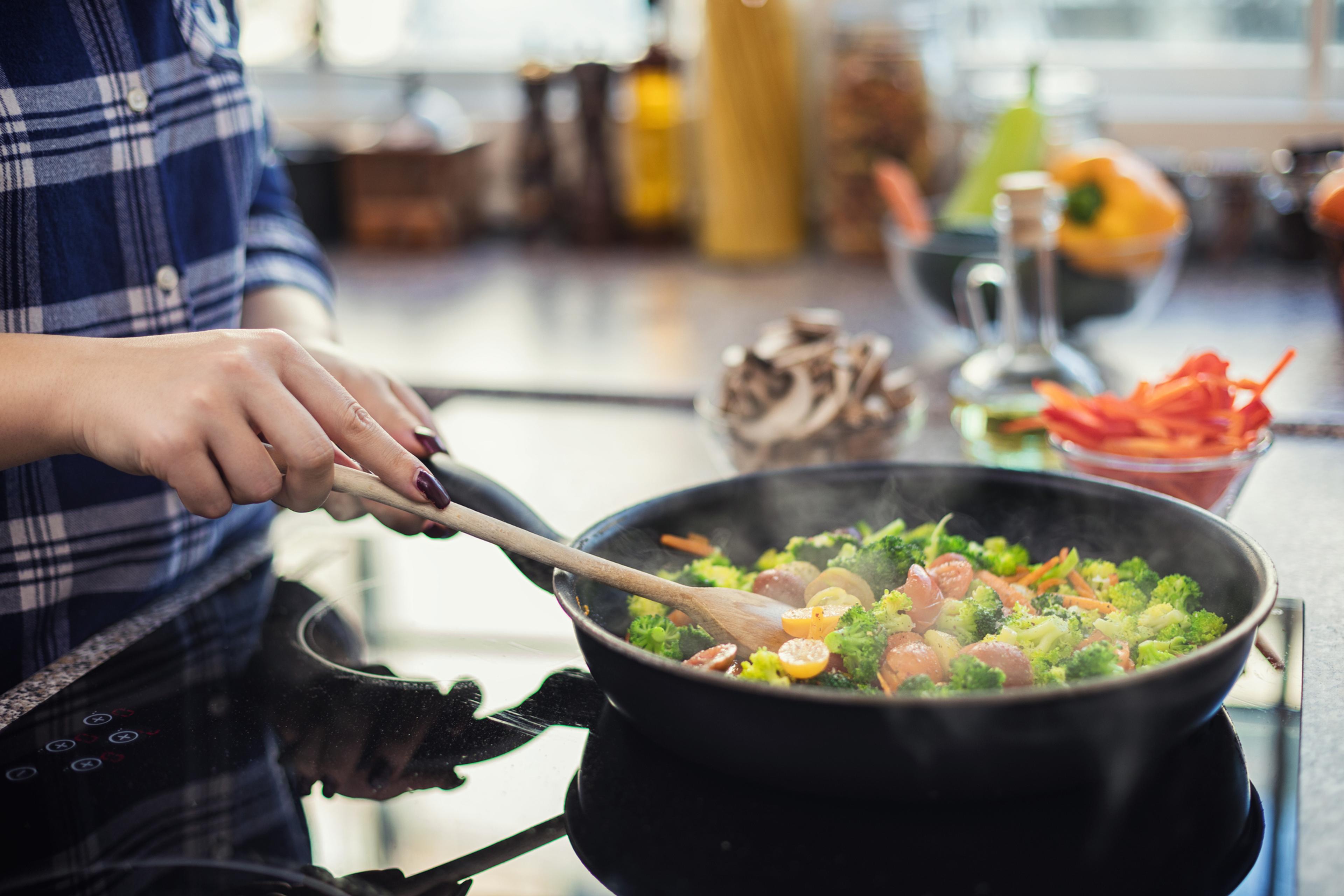
A great stir fry is one of the easiest ways to build a healthy, balanced and flavorful meal quickly. The key is layering ingredients that bring umami, freshness, heat, acidity and texture — without relying on heavy sauces or excess sodium.
The good news is, building bold flavor doesn’t mean drowning everything in soy sauce. With a few key ingredients and a little know-how, you can create a satisfying dish every time.
What are some stir fry spices?
Aromatics are the first ingredients that hit the pan and set the tone for your stir fry.
- Garlic is a must. It’s hard to think of a savory dish that doesn’t benefit from it, and stir-fry is no exception. Add it early to infuse the oil, but keep the temperature at medium-low and an eye on it so it doesn’t burn.
- Ginger is another essential. This root adds a bright, slightly spicy kick that wakes up the entire dish. Fresh is best, but ginger paste or ground ginger — found in your grocery store's spice aisle — can work in a pinch (pun intended).
- Curry paste is a great place to start. Red and green varieties blend spices with garlic, chiles and herbs for an instant flavor boost. Sear it to maximize the flavor in the essential oils.
- Lemongrass paste brings a citrusy, almost floral note that pairs especially well with coconut-based sauces.
You can also add crushed red pepper flakes for heat, white pepper for classic stir fry flavor, five-spice powder for warmth and slightly sweet flavors and ground coriander for something a little citrusy,
These ingredients are rich in antioxidants and anti-inflammatory compounds, especially garlic and ginger.
Choose lean, protein-rich ingredients
Protein makes your stir fry satisfying and nutritionally balanced. It’s a good idea to aim for a fourth of your stir fry to be protein:
Load up on colorful vegetables
Vegetables provide fiber, vitamins and texture. Combine crunchy and tender vegetables for the best texture:
- Bell peppers
- Broccoli
- Snap peas
- Mushrooms
- Carrots
- Zucchini
- Cabbage
Use smart sauces
Instead of heavy bottled sauces, build your own with a few staples:
- Low-sodium soy sauce or tamari
- Fish sauce
- Rice vinegar
- Sesame oil (use sparingly)
- Fresh lime juice
- Chili paste or sambal oelek
- Oyster sauce
- Coconut milk if using curry paste
A simple healthy stir fry sauce can be build with 1 tablespoon low-sodium soy sauce, 1 teaspoon sesame oil, 1 tablespoon rice vinegar, 1 teaspoon honey or maple syrup, 1 teaspoon sambal oelek along with a splash of water.
Add texture boosters
Small additions like something crunchy can make a big difference for both mouthfeel and nutrition:
- Toasted sesame seeds
- Chopped peanuts or cashews
- Water chestnuts
- Bean sprouts
Finish with freshness
Adding fresh ingredients at the end brightens everything:
- Cilantro
- Basil
- Mint
- Fresh lime wedges
- Scallions
In the end, a great stir-fry isn’t complicated — it just comes down to layering the right flavors in the right way.
Photo credit: Getty Images