How to Cook Pasta the Right Way

Shanthi Appelo, MS, RD
| 3 min read
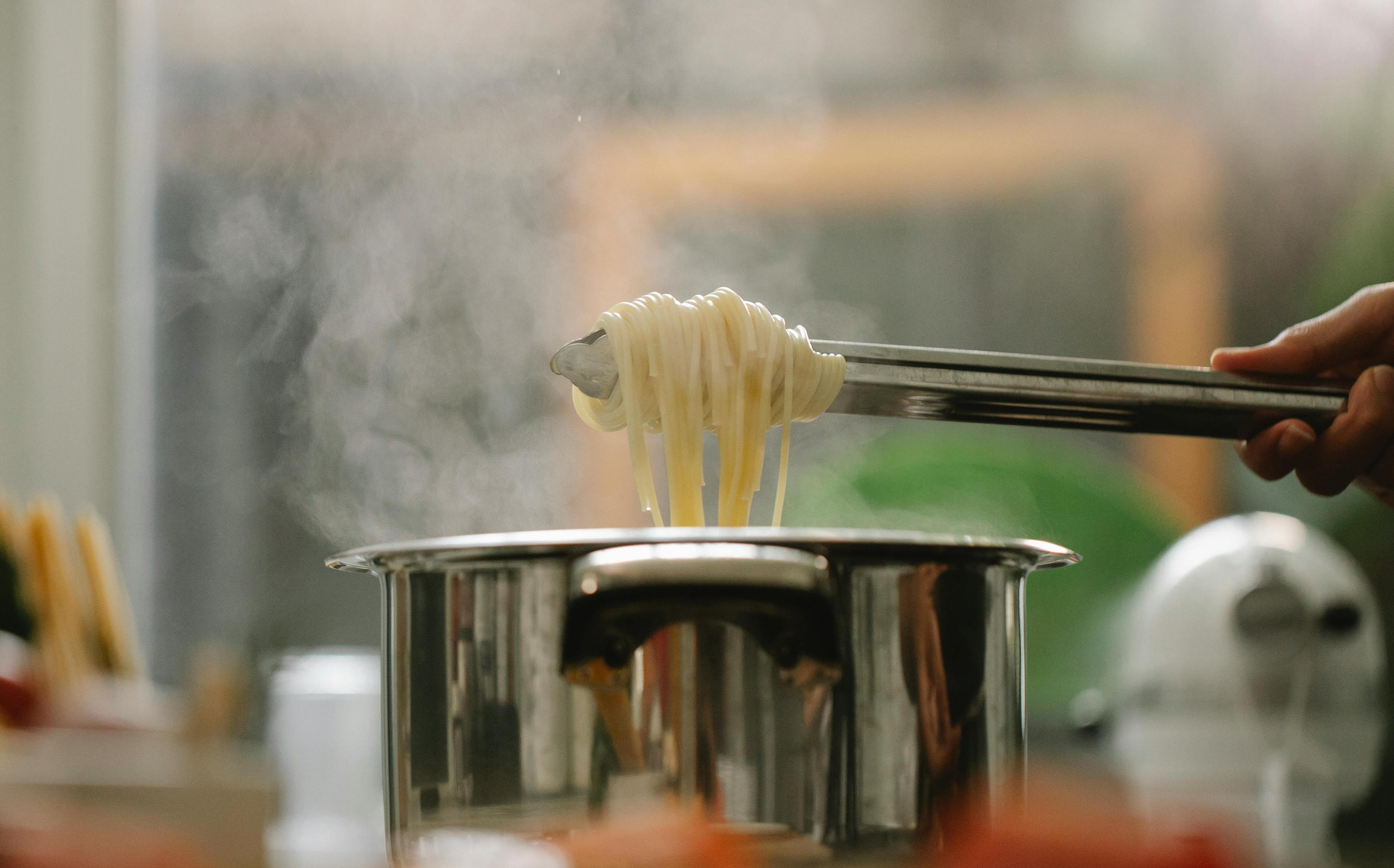
A few small choices during cooking can completely change pasta’s flavor, texture and how well it holds onto sauce:
1. Choose the right pot and water volume
For a full pound of pasta, a large pot with plenty of water is ideal. More water means the pasta has room to move, which helps it cook evenly and reduces sticking and clumping.
If you’re cooking a smaller amount, a medium saucepan works just fine —- just plan to stir more often. The key is movement: pasta that can circulate freely cooks more uniformly and is less likely to release excess starch that leads to gumminess.
2. Salt the water properly and at the right time
A good rule of thumb is 1 to 2 tablespoons of salt for every 4 quarts of water. Add the salt just as the water is coming to a boil so it dissolves evenly. If you need to watch your sodium intake, use the lower end of the range.
This is your only real opportunity to season the pasta itself. Well-seasoned water builds flavor from the inside out, instead of relying entirely on the sauce. Once cooked, the salt can’t penetrate the noodle.
3. Add pasta only at a rolling boil
Wait until the water is at a full, rolling boil before adding pasta. High heat helps starches gelatinize properly, giving pasta its ideal structure.
Once the pasta goes in, stir immediately, especially during the first minute, to keep strands from sticking together or to the bottom of the pot.
4. Watch the clock but trust your taste
Cooking times vary by pasta type and shape:
• Dried pasta: typically 8 to 12 minutes
• Fresh pasta: usually 2 to 5 minutes
• Fresh pasta: usually 2 to 5 minutes
Start tasting a couple of minutes before the package time. Pasta can go from perfect to overcooked very quickly, and it will continue to cook once it’s added to hot sauce.
5. Aim for al dente
“Al dente” means “to the tooth.” The goal is pasta that’s tender but still has a slight bite or resistance in the center.
This texture holds up better when tossed with sauce and gives pasta its signature chew rather than a soft, mushy finish.
6. Save the pasta water
Before draining, reserve about a cup of pasta water. This cloudy liquid is rich in salt and starch — two things sauces love.
A splash can help emulsify oily sauces, loosen thick ones and improve how sauce clings to each noodle.
It can turn a good sauce into a silky, cohesive one without extra fat or cream.
7. Finish pasta in the sauce
Instead of draining and plating plain pasta, add it directly to your sauce and toss for a minute or two.
This final step allows the pasta to absorb flavor, finish cooking gently and bind with the sauce instead of sitting underneath it.
Perfect pasta isn’t about complicated techniques — it’s about timing, seasoning and understanding what each step does.