40 Years of Health Tips: A Doctor’s Guide to Staying Well
| 1 min read
00:00
00:00
About the Show
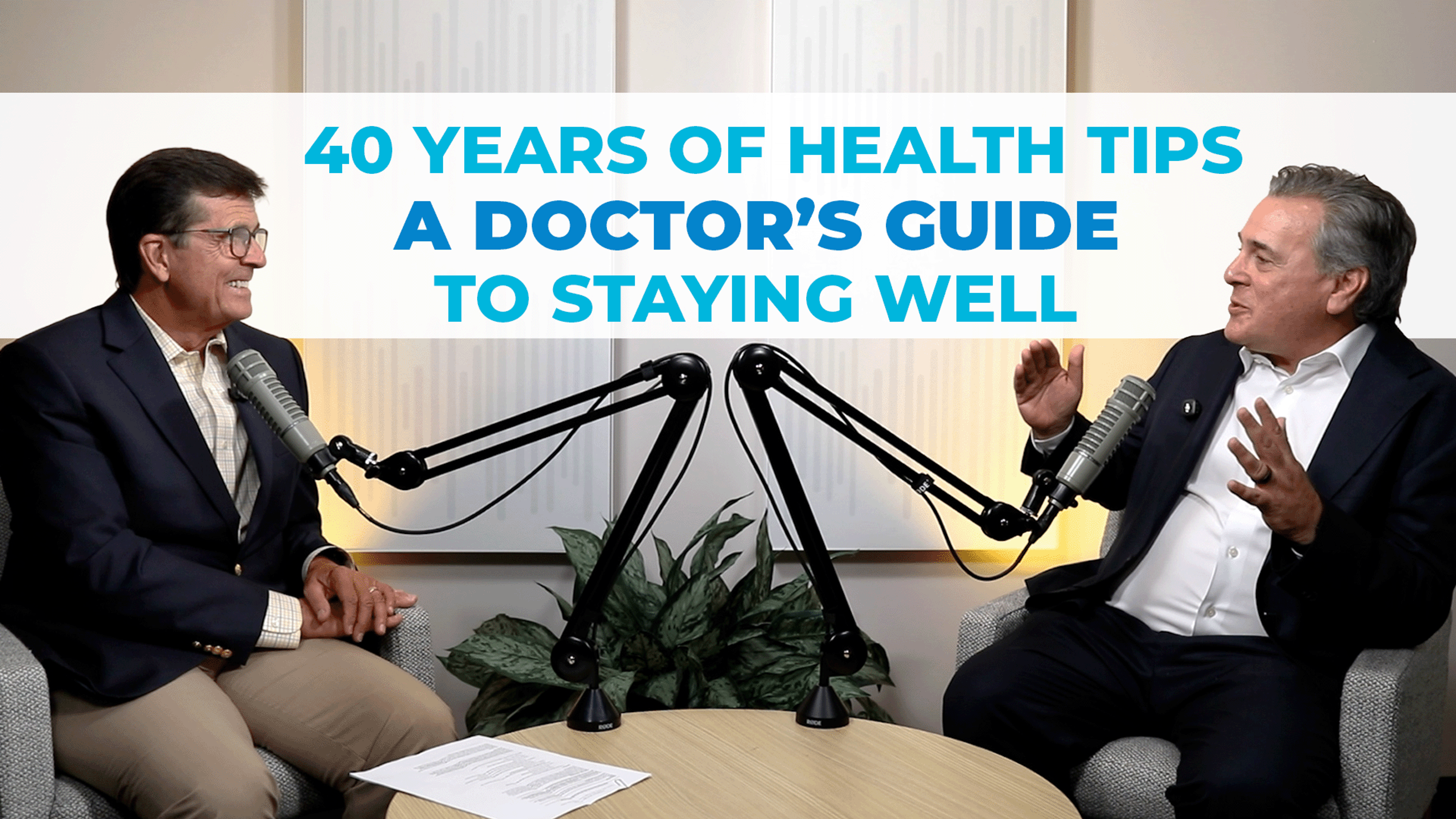
Forty years of experience in medicine brings a lot of knowledge, wisdom and health information. On this episode, Chuck Gaidica is joined by Dr. Jim Grant, Chief Medical Officer at Blue Cross Blue Shield of Michigan, who is retiring after more than 30 years in medicine. Together, they discuss his career, how medicine has evolved and what he wants you to know about your health and prevention as he reflects on his experiences.
In this episode of A Healthier Michigan Podcast, we explore:
- A 40-year career
- What has changed in the medical industry
- Important health tips
- Dr. Grant’s future plans
Transcript
Here is the full transcript of this episode. You can listen to the audio version on streaming platforms or watch on YouTube.
Chuck Gaidica:
Thirty years in medicine means witnessing more than just medical advancements. It means caring for thousands of patients, navigating life’s most critical moments, and helping shape healthcare for future generations. For physicians, the journey often begins with a calling to help people. But over decades, that calling grows into something more, a responsibility to patients, colleagues, and the broader healthcare system. So what perspective does someone gain after an entire career in medicine? What lessons would they want to pass on to the next generation and all of us as they step away from the profession?
Thirty years in medicine means witnessing more than just medical advancements. It means caring for thousands of patients, navigating life’s most critical moments, and helping shape healthcare for future generations. For physicians, the journey often begins with a calling to help people. But over decades, that calling grows into something more, a responsibility to patients, colleagues, and the broader healthcare system. So what perspective does someone gain after an entire career in medicine? What lessons would they want to pass on to the next generation and all of us as they step away from the profession?
Let’s start at the beginning. What made this man who he is? Dr. Jim Grant is here with us, Chief Medical Officer for Blue Cross Blue Shield of Michigan. Good to see you, and congratulations on your retirement or maybe it’s just a “rewirement”?
Jim Grant:
Chuck, you’re using my term, rewirement!
Chuck, you’re using my term, rewirement!
Chuck Gaidica:
I heard you say it, but it’s a good one! Do you feel like that’s what it is?
I heard you say it, but it’s a good one! Do you feel like that’s what it is?
Jim Grant:
Absolutely. Retirement means stepping out. I’m not stepping out, well, maybe for the first 15 minutes I was, but now it’s more of a “rewirement.” It gives me an opportunity to help change medicine, to fix what’s broken. Medicine is great, we have some of the best healthcare in the world, but there are still parts that are disconnected. If I do nothing else before the end of my life, I want to help fix it.
Absolutely. Retirement means stepping out. I’m not stepping out, well, maybe for the first 15 minutes I was, but now it’s more of a “rewirement.” It gives me an opportunity to help change medicine, to fix what’s broken. Medicine is great, we have some of the best healthcare in the world, but there are still parts that are disconnected. If I do nothing else before the end of my life, I want to help fix it.
Chuck Gaidica:
That’s a big hill to climb, but let’s go back to the beginning. Where did you grow up?
That’s a big hill to climb, but let’s go back to the beginning. Where did you grow up?
Jim Grant:
I grew up in southeastern Michigan, went to college at Michigan State, then medical school at Wayne State. I did my residency in Chicago at Northwestern, came back here to practice, made a few stops along the way, and ended up here.
I grew up in southeastern Michigan, went to college at Michigan State, then medical school at Wayne State. I did my residency in Chicago at Northwestern, came back here to practice, made a few stops along the way, and ended up here.
Chuck Gaidica:
So, what did the transition from clinical medicine to chief medical officer mean for you? Was it as big a leap as it seems from the outside?
So, what did the transition from clinical medicine to chief medical officer mean for you? Was it as big a leap as it seems from the outside?
Jim Grant:
My path was a bit different. I went from 100% clinical work to being a department chair, about 75% clinical, 25% administrative. Eventually, it became 50/50, and then I came here and was 100% administrative, except for days when I’d fill in at the OR. I’m an anesthesiologist by training, so I’d help out when needed.
My path was a bit different. I went from 100% clinical work to being a department chair, about 75% clinical, 25% administrative. Eventually, it became 50/50, and then I came here and was 100% administrative, except for days when I’d fill in at the OR. I’m an anesthesiologist by training, so I’d help out when needed.
The transition? Every step of the way, you’re helping people. When you’re 100% clinical, you’re helping at the bedside. When you’re 100% administrative, you’re improving processes and making healthcare more accessible and better for patients.
Chuck Gaidica:
And you’re leading a team, inspiring people.
And you’re leading a team, inspiring people.
Jim Grant:
Exactly. When you’re providing one-on-one care, you help one person. But in this role, the decisions we make help 6 million people. That’s how I looked at it, helping on a much bigger scale. It’s just another part of medicine.
Exactly. When you’re providing one-on-one care, you help one person. But in this role, the decisions we make help 6 million people. That’s how I looked at it, helping on a much bigger scale. It’s just another part of medicine.
Chuck Gaidica:
Did that idea ever feel overwhelming? Was there more weight on your shoulders because of the scale?
Did that idea ever feel overwhelming? Was there more weight on your shoulders because of the scale?
Jim Grant:
Not really. Whether you’re helping one person or six million, you’re still there to care for people. But knowing one decision can improve things for millions, that’s gratifying.
Not really. Whether you’re helping one person or six million, you’re still there to care for people. But knowing one decision can improve things for millions, that’s gratifying.
Chuck Gaidica:
So at what point did you join Blue Cross, and what was going on for you at the time?
So at what point did you join Blue Cross, and what was going on for you at the time?
Jim Grant:
Honestly, I never would have predicted this path. I tell young people: plan your career, but be open, because it probably won’t go as you expect. In 2020, during COVID, I was department chair of anesthesiology at Sinai in Los Angeles, dealing with ventilators and PPE shortages. Dan Loepp, then CEO of Blue Cross, called me about this job. At first, I thought he was joking since I’d never done a role like this. But Dan said that’s exactly why he wanted me, for the physician’s perspective in the C-suite.
Honestly, I never would have predicted this path. I tell young people: plan your career, but be open, because it probably won’t go as you expect. In 2020, during COVID, I was department chair of anesthesiology at Sinai in Los Angeles, dealing with ventilators and PPE shortages. Dan Loepp, then CEO of Blue Cross, called me about this job. At first, I thought he was joking since I’d never done a role like this. But Dan said that’s exactly why he wanted me, for the physician’s perspective in the C-suite.
Chuck Gaidica:
What were you doing at that moment?
What were you doing at that moment?
Jim Grant:
I was chairing the anesthesiology department at Sinai in LA, right in the middle of COVID. We were figuring out ventilators, PPE, and everything else. I’d been on the Blue Cross board previously, but never in a leadership role. Dan wanted me for my clinical perspective, to bring that lens to the company.
I was chairing the anesthesiology department at Sinai in LA, right in the middle of COVID. We were figuring out ventilators, PPE, and everything else. I’d been on the Blue Cross board previously, but never in a leadership role. Dan wanted me for my clinical perspective, to bring that lens to the company.
Chuck Gaidica:
And it was a homecoming, too.
And it was a homecoming, too.
Jim Grant:
Yes, that’s how Dan knew me. He wanted a clinician at the table. When he put it that way, how could I say no?
Yes, that’s how Dan knew me. He wanted a clinician at the table. When he put it that way, how could I say no?
Chuck Gaidica:
Your perspective had to shift, you were chosen for a unique reason, not just as another applicant.
Your perspective had to shift, you were chosen for a unique reason, not just as another applicant.
Jim Grant:
Right, I didn’t send in a resume. Dan knew me and wanted someone who truly cares for people and wants the best for our members.
Right, I didn’t send in a resume. Dan knew me and wanted someone who truly cares for people and wants the best for our members.
Chuck Gaidica:
What challenges did you see leading staff and in patient care since joining Blue Cross in 2020?
What challenges did you see leading staff and in patient care since joining Blue Cross in 2020?
Jim Grant:
People ask me that all the time. I’ve learned that if both sides are a little upset, you probably made the right decision. Doctors, hospitals, and nurses see payers one way, and payers see providers another way. The truth is somewhere in the middle. My job has been to bridge those perspectives for the common goal: taking care of our members and providing high-quality, high-value care.
People ask me that all the time. I’ve learned that if both sides are a little upset, you probably made the right decision. Doctors, hospitals, and nurses see payers one way, and payers see providers another way. The truth is somewhere in the middle. My job has been to bridge those perspectives for the common goal: taking care of our members and providing high-quality, high-value care.
Chuck Gaidica:
“Members” meaning patients, the rest of us. What misconceptions have you seen about healthcare or health topics among members over time?
“Members” meaning patients, the rest of us. What misconceptions have you seen about healthcare or health topics among members over time?
Jim Grant:
The key is prevention. Nobody wants unnecessary procedures. We want to keep ourselves as healthy as possible. That means quitting smoking, keeping weight and blood pressure down, focusing on preventive care. We want to avoid illness, not just treat it. We only have one body, do everything you can to make it work. It’s easy to say “lose 30 pounds,” but it’s not easy to do. Same goes for quitting smoking. Avoid dangerous situations. Think about how you can avoid needing the healthcare system in the first place.
The key is prevention. Nobody wants unnecessary procedures. We want to keep ourselves as healthy as possible. That means quitting smoking, keeping weight and blood pressure down, focusing on preventive care. We want to avoid illness, not just treat it. We only have one body, do everything you can to make it work. It’s easy to say “lose 30 pounds,” but it’s not easy to do. Same goes for quitting smoking. Avoid dangerous situations. Think about how you can avoid needing the healthcare system in the first place.
Chuck Gaidica:
Many of us are now thinking about “health span” instead of just “lifespan”, wanting to stay healthy as long as possible. Is it ever too late to start?
Many of us are now thinking about “health span” instead of just “lifespan”, wanting to stay healthy as long as possible. Is it ever too late to start?
Jim Grant:
It’s never too late. Even if you’ve had unhealthy habits for years, it’s better to make changes now than never. You may regret not starting sooner, but it’s always better late than never.
It’s never too late. Even if you’ve had unhealthy habits for years, it’s better to make changes now than never. You may regret not starting sooner, but it’s always better late than never.
Chuck Gaidica:
I was telling you earlier about a woman who lived to 94 and quit smoking at 50. She said, “I just thought it was time to get healthy,” and she enjoyed decades more life. It really backs up your point that it’s never too late.
I was telling you earlier about a woman who lived to 94 and quit smoking at 50. She said, “I just thought it was time to get healthy,” and she enjoyed decades more life. It really backs up your point that it’s never too late.
Jim Grant:
Exactly.
Exactly.
Chuck Gaidica:
Looking back at your career, how do you grade yourself on moving the needle in healthcare?
Looking back at your career, how do you grade yourself on moving the needle in healthcare?
Jim Grant:
I’m not going to give myself a grade. But when people come up and thank you for something you did years ago, or say you inspired them to go into medicine, that’s the real reward. Our reputation is what we leave behind. Helping people along the way is what really matters.
I’m not going to give myself a grade. But when people come up and thank you for something you did years ago, or say you inspired them to go into medicine, that’s the real reward. Our reputation is what we leave behind. Helping people along the way is what really matters.
Chuck Gaidica:
That’s a special perspective. Sometimes you never know for years how you’ve impacted someone’s life.
That’s a special perspective. Sometimes you never know for years how you’ve impacted someone’s life.
Jim Grant:
Absolutely. I’ve had people come up to me in restaurants, reminding me of things I did for them or their families years ago. Those moments make it all worth it.
Absolutely. I’ve had people come up to me in restaurants, reminding me of things I did for them or their families years ago. Those moments make it all worth it.
Chuck Gaidica:
As you look ahead, you’ve said there are still broken parts of healthcare. Where do you start fixing things?
As you look ahead, you’ve said there are still broken parts of healthcare. Where do you start fixing things?
Jim Grant:
Every sector of healthcare has challenges, some more than others. I believe in bringing different sides together, if we can keep people healthy, healthcare becomes more affordable because we spend less treating sickness. We have to stay focused on prevention and making sure every procedure is truly necessary. Society needs to adjust expectations, medicine isn’t “on demand” like food delivery. And with an aging population, the system needs to work for everyone.
Every sector of healthcare has challenges, some more than others. I believe in bringing different sides together, if we can keep people healthy, healthcare becomes more affordable because we spend less treating sickness. We have to stay focused on prevention and making sure every procedure is truly necessary. Society needs to adjust expectations, medicine isn’t “on demand” like food delivery. And with an aging population, the system needs to work for everyone.
Chuck Gaidica:
The demographic shift is huge, over a third of Americans are 50-plus. And now we have new drugs, new technology, artificial intelligence, all promising, but expensive and complex to manage.
The demographic shift is huge, over a third of Americans are 50-plus. And now we have new drugs, new technology, artificial intelligence, all promising, but expensive and complex to manage.
Jim Grant:
Exactly. When I look back at my career, it’s amazing how much has changed. New technology, new drugs, new procedures. For example, prostate surgery used to be a huge, risky operation. Now, with robotic surgery, patients can go home the same day with minimal blood loss. The pace of change is incredible.
Exactly. When I look back at my career, it’s amazing how much has changed. New technology, new drugs, new procedures. For example, prostate surgery used to be a huge, risky operation. Now, with robotic surgery, patients can go home the same day with minimal blood loss. The pace of change is incredible.
Chuck Gaidica:
So, what are you most excited about for the next phase of your life?
So, what are you most excited about for the next phase of your life?
Jim Grant:
I’m excited to be able to pick and choose what I want to do. If a part of healthcare seems broken, I can focus on it, or I can do nothing! My initial plan is to play pickleball and figure it out from there.
I’m excited to be able to pick and choose what I want to do. If a part of healthcare seems broken, I can focus on it, or I can do nothing! My initial plan is to play pickleball and figure it out from there.
Chuck Gaidica:
Do you play now?
Do you play now?
Jim Grant:
Not yet! But that’s the great thing, most people who play pickleball never played before. It’s fun, though we do see a lot of injuries from people starting new things after years of inactivity. Really, I might do anything, from playing pickleball, to meeting friends for lunch, to working on healthcare improvements. Helping people navigate the healthcare system is especially gratifying, it’s a tough system, even for insiders.
Not yet! But that’s the great thing, most people who play pickleball never played before. It’s fun, though we do see a lot of injuries from people starting new things after years of inactivity. Really, I might do anything, from playing pickleball, to meeting friends for lunch, to working on healthcare improvements. Helping people navigate the healthcare system is especially gratifying, it’s a tough system, even for insiders.
Chuck Gaidica:
How is this new chapter going at home? A lot of people struggle with retirement transitions.
How is this new chapter going at home? A lot of people struggle with retirement transitions.
Jim Grant:
My wife’s also a physician. Her response was, “I’m not changing anything, I have no idea what you’re going to do!” She knows me well. I don’t want her career affected by my choices. She’ll keep doing her thing, and I’ll figure out mine.
My wife’s also a physician. Her response was, “I’m not changing anything, I have no idea what you’re going to do!” She knows me well. I don’t want her career affected by my choices. She’ll keep doing her thing, and I’ll figure out mine.
Chuck Gaidica:
Final thoughts on this new adventure, and any reflections as you leave your mark on Blue Cross?
Final thoughts on this new adventure, and any reflections as you leave your mark on Blue Cross?
Jim Grant:
I’ve worked with some of the most dedicated people in the country, all committed to our six million members, making healthcare affordable, accessible, and better. There’s real commitment to the mission in the C-suite. Long after I’m gone, if they call, I’ll always pick up the phone. Healthcare isn’t easy, but this team is leading the way.
I’ve worked with some of the most dedicated people in the country, all committed to our six million members, making healthcare affordable, accessible, and better. There’s real commitment to the mission in the C-suite. Long after I’m gone, if they call, I’ll always pick up the phone. Healthcare isn’t easy, but this team is leading the way.
Chuck Gaidica:
Congratulations on all your success, Jim. Maybe in the future, when you’re out having coffee, someone else will come up and thank you for something you did decades ago. Best wishes for all that’s next.
Congratulations on all your success, Jim. Maybe in the future, when you’re out having coffee, someone else will come up and thank you for something you did decades ago. Best wishes for all that’s next.
Jim Grant:
Thanks, Chuck.
Thanks, Chuck.
Chuck Gaidica:
And thanks for being with us. Dr. Jim Grant, Chief Medical Officer (for now) at Blue Cross Blue Shield of Michigan. Thank you for listening to this special episode of A Healthier Michigan Podcast, brought to you by Blue Cross Blue Shield of Michigan. If you like our show and want to know more, visit ahealthiermichigan.org/podcast. Leave us ratings and reviews on Apple Podcasts or Spotify. Follow us on Facebook, Instagram, or Twitter, and find all our episodes on your favorite podcast app. Thanks again for joining us. I’m Chuck Gaidica. Be well.
And thanks for being with us. Dr. Jim Grant, Chief Medical Officer (for now) at Blue Cross Blue Shield of Michigan. Thank you for listening to this special episode of A Healthier Michigan Podcast, brought to you by Blue Cross Blue Shield of Michigan. If you like our show and want to know more, visit ahealthiermichigan.org/podcast. Leave us ratings and reviews on Apple Podcasts or Spotify. Follow us on Facebook, Instagram, or Twitter, and find all our episodes on your favorite podcast app. Thanks again for joining us. I’m Chuck Gaidica. Be well.